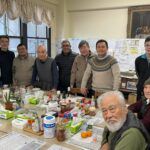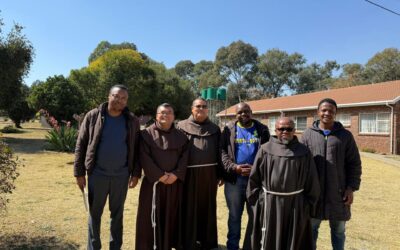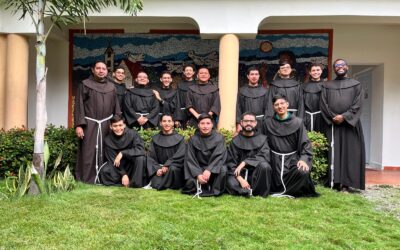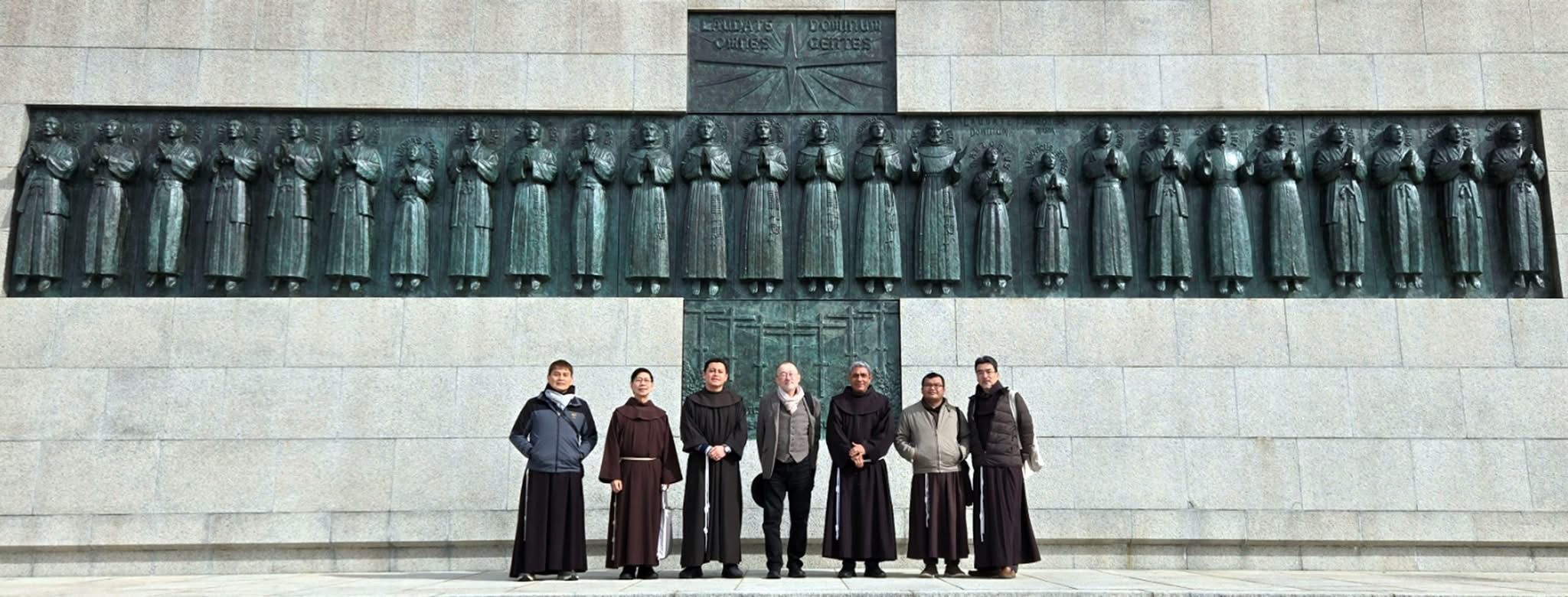
From the 10th-17th February, 2025, representatives of the General Secretariat for Missions and Evangelization and the General Office for Justice, Peace, and Integrity of Creation of the Order of Friars Minor made a visit to Japan, reinforcing the Franciscan commitment to peace and interreligious dialogue in Asia. During this visit, the history and legacy of the Franciscans in Japan was highlighted, a presence marked by faith, sacrifice, and resilience.
History and Legacy: Mission and Martyrdom in Japan
In 1977, the Franciscan Province of the Holy Martyrs of Japan was created, the result of the intense missionary activity of the Order from Europe and America. Today, with around seventy friars spread across nine houses, the community is based on two historical milestones:
Persecution and martyrdom: For almost 250 years, Christianity in Japan was fiercely persecuted, leaving a long list of martyrs. Among them, the case of the Spanish Franciscan Pedro Bautista stands out, murdered in 1597 near Nagasaki and later canonized. This sacrifice, together with the silent testimony of numerous Christians, remains the spiritual and cultural foundation of the Christian community in Japan.
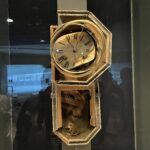
Nuclear attack and historical memory: The devastating impact of the atomic bombs on Hiroshima and Nagasaki in August 1945 left indelible scars. The clock on display at the Atomic Bomb Museum in Nagasaki, which reads 11:02, symbolizes the hour when time stopped for more than 70,000 people. Commemorating the 80th anniversary of the only nuclear attack in history, testimonies such as that of survivor Fr. Jacob Kataoka reinforce the importance of remembering and learning from the past in order to promote peace.
Nagasaki Project: A Global Message of Peace
In the face of current challenges—such as growing religious indifference, an aging clergy, and tensions arising from conflict and climate change—the Franciscan friars have promoted the Nagasaki Project.
International Peace Initiative: Led by Fr. Francis Furusato and Fr. Antonio Kim, this project seeks to spread and promote lasting peace not only in the city of Nagasaki, but globally.
Collaboration and Vocation: The initiative brings together friars from various countries—Germany, Argentina, the United States, amongst others—who share the mission of transforming the pain of the past into an active commitment to peace, interreligious dialogue, and social justice.
Reflection and contemporary challenges
In the document Brothers and Minors today, Br. Massimo Fusarelli reflects on current challenges:
-
Challenges of vocation: The decrease in vocations in some regions, combined with a growing crisis of faith and migratory pressure due to conflicts and climate change, requires profound discernment to recognize the transforming action of the Lord.
-
Social and spiritual commitment: The Franciscan mission reinvents itself in the face of religious indifference, reaffirming its commitment to be bearers of a message of peace that transcends borders and generations.
The visit in February 2025 and the testimony of the Franciscan community in Japan are a call to remember the past—among persecutions, martyrdom and nuclear attacks—in order to build a future based on peace, tolerance and interreligious commitment.
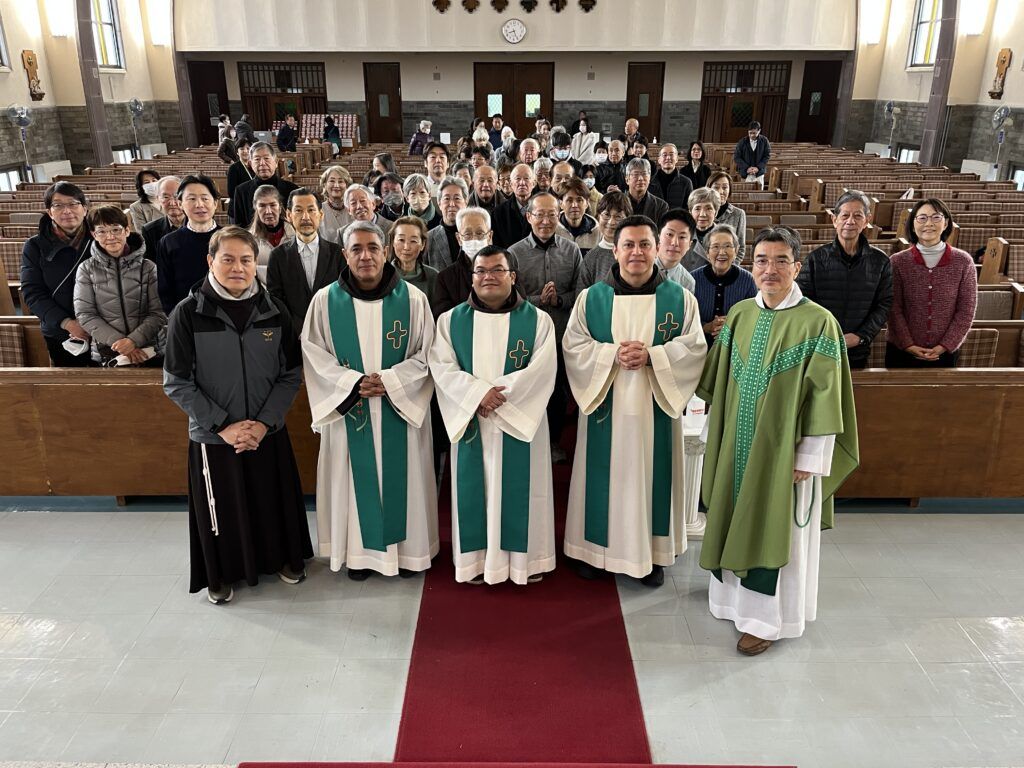
At the entrance to the Nagasaki Museum there is a message that sums up this mission: “Nagasaki must be the last place exposed to an atomic bomb.” This call not only honours martyrs and historical victims, but also invites us to renew hope and commitment for a world at peace.