Manila, 13-18 October 2025
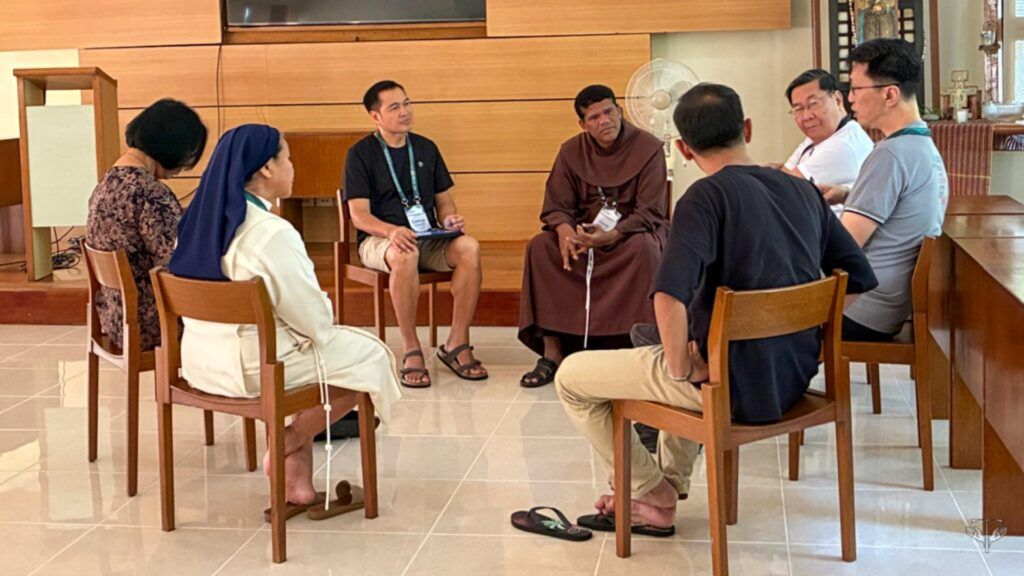
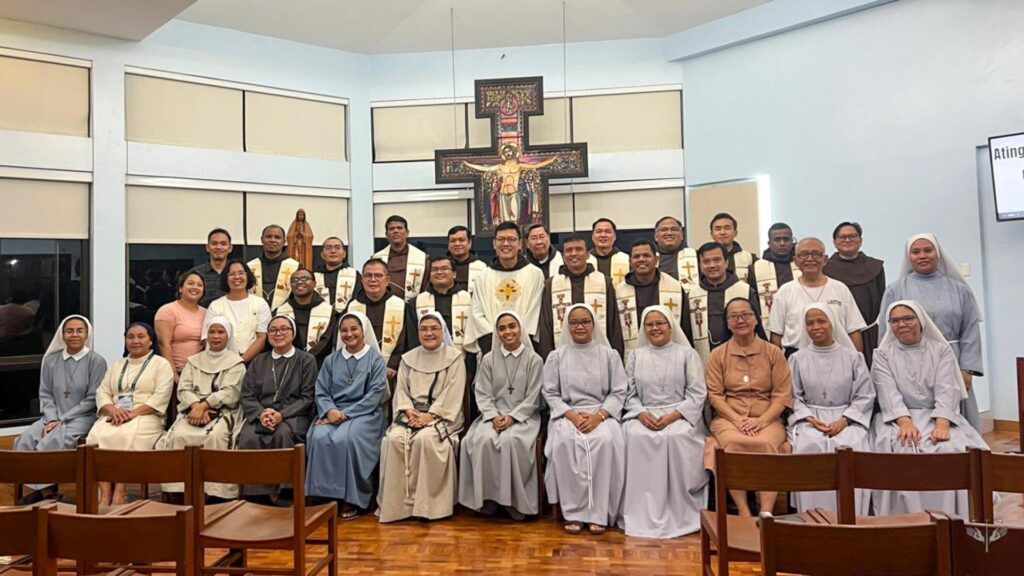
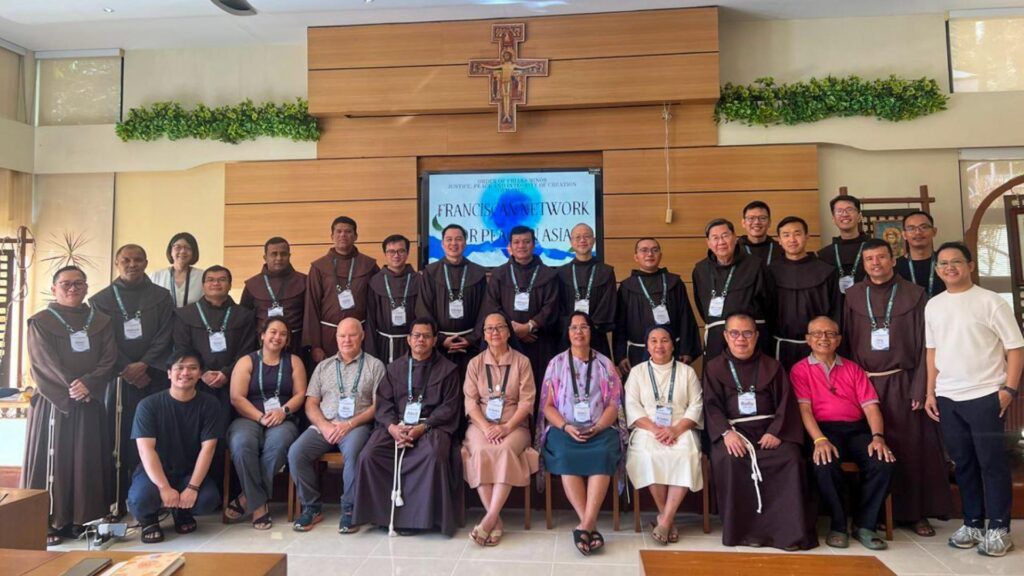
The first Assembly of the Franciscan Network for Peace and Integral Ecology in Asia was held in Manila, Philippines, from October 13 to 18, 2025. Hosted by the Province of San Pedro Bautista, the event brought together delegates from Franciscan entities and collaborators across Asia. The main objective was to strengthen collaboration among members through reflection, sharing and discernment, as well as planning concrete actions.
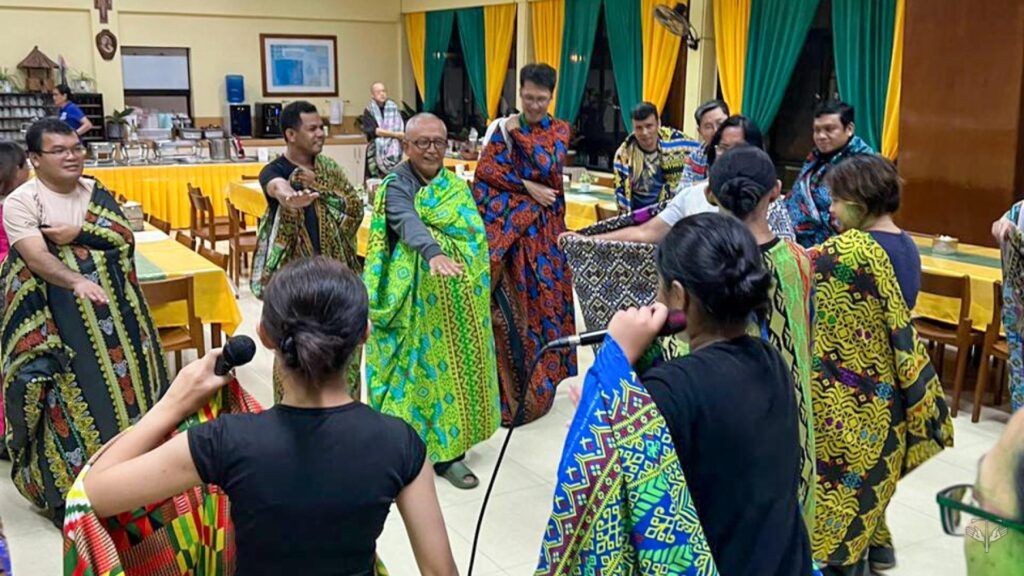
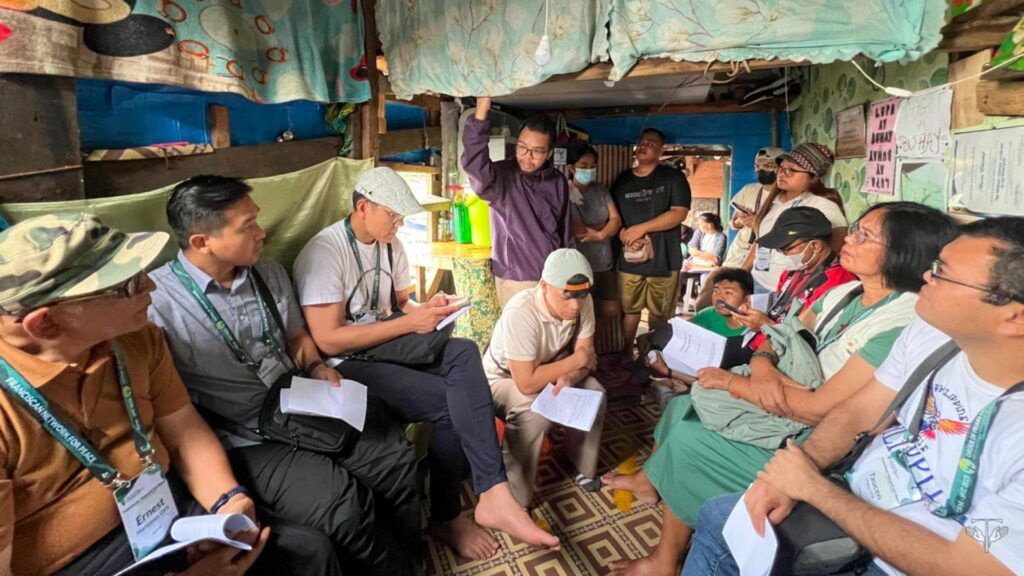
The first part, focused on reflection, began with immersive visits, organized by Franciscan Young Advocate, to families of extrajudicial killing victims, urban poor communities marked by deep poverty, and a coastal reclamation zone where fisherfolk lost their livelihoods. These encounters provided participants with real experiences of injustice. Then, Br. Lino Gregorio Redoblado, OFM, shared profound insights through the story of the Butbut Tribe, linking The Canticle of the Creatures with Franciscan identity, social justice, and the call to peace. This reflection was deepened by the testimony of Br. Angel Cortez, OFM, who spoke of living JPIC values not as an optional or task, but as a true Franciscan vocation, passion, and mission. Concluding the session, Br. Derrick Yap, OFM, encouraged participants to carry forward the core ideas of Pope Leo XIV’s document Dilexi Te (2025) and key reflections from the OFM Chapter of Mats 2025 into new JPIC initiatives that respond to the urgent challenges of today’s world.
Second part, sharing and discernment, was divided into two sections: promoting peace and integral ecology action.
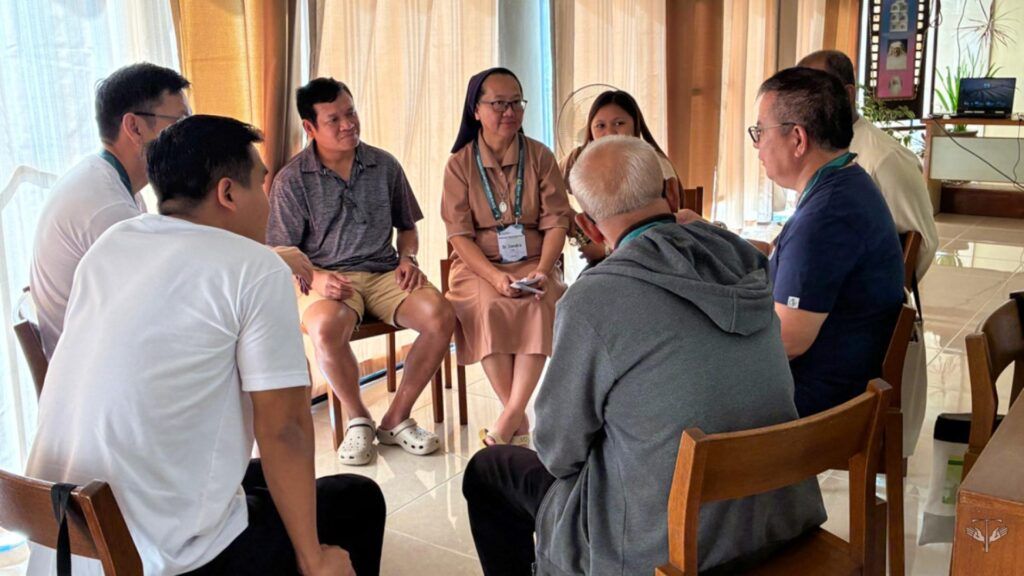
With the theme of promoting peace, the Franciscan peace project in Nagasaki, Japan, remains a powerful model of healing and reconciliation. Br. Albert Marfil, OFM, shared how Japanese Christians responded to the trauma of the atomic bomb and religious persecution with the enduring message: “Nagasaki and Hiroshima must be the last.” Br. Chris Pine, OFM, deepened the reflection by speaking of inner peace and the power of the heart, drawing on the faith journeys of Abraham, Isaac, Jacob, and Joseph. For peaceful coexistence through intercultural dialogue, Br. Francis Lee, OFM, reflected on the phrase “The Lord gave me brothers,” highlighting the importance of embracing difference as a gift. Meanwhile, Br. John Wong, OFM emphasized the ongoing need for mutual respect and encounter in Asia, especially through interreligious dialogue. Br. Blair then introduced the global work of Franciscans International in advocating for human rights and environmental justice, while Br. Alexandro grounded the discussion with a concrete example, the ongoing advocacy for human rights in West Papua.
The theme of integral ecology was explored through various actions across Asia, beginning with Ms. Maxine’s presentation on the Laudato Si’ Movement in Singapore, Malaysia, and Brunei, where parishes are now guided by clear protocols to live out Pope Francis’ universal call. A powerful example came from Indonesia’s Eco-pastoral project, as shared by Br. Fridus, OFM, where farmers are transitioning away from chemical fertilizers. This grassroots movement, which began in Pagal, is now expanding to other parishes and will soon open to Franciscans across Asia. Sr. Calista FSIC showed that community-building initiatives are also beginning to develop in bolotikon-Kota Kinabalu, Sabah (Malaysia). Br. John of God, OFM, recounted how the friars have been working for community building in Pleiku (Vietnam). Another inspiring example came from Hong Kong, Br. William Ng, OFM, where the Franciscan charism is being creatively integrated into public schools. Closing the session, Br. Michael Perry, OFM virtually offered an insightful reflection on Laudato Si’, reminding participants that this call is not about stewardship, but about kinship—living as brothers and sisters in one common home.
Finally, the participants moved toward concrete planning for the Franciscan Network. Building on the Cebu Resolutions, they reaffirmed three key areas of focus while identifying new directions for action. First, in the area of peacebuilding, participants committed to strengthening connections with Myanmar migrants, exploring the possibility of a peace project to mediate tensions in the Sri Lanka–Bangladesh–Nepal region, organizing ongoing human rights seminars, and using social media platforms for peace advocacy and training initiatives. Second, in ecological action, they pledged to further develop eco-pastoral projects in the Kampong Tambunan (Malaysia), tree-planting efforts in mountain and river areas in Myanmar, Philippines, Indonesia. They also resolved to open training programs focused on the insertion of Franciscan charism into public schools. Third, recognizing the power of digital communication, they agreed to creatively enhance the website and other media platforms to reach wider and younger audiences.
A clear outcome from the assembly was the shared commitment to organize all initiatives with a realistic, measurable, and time-bound plan to ensure practical and impactful results.