On Monday, the 31st January, 2022, news spread around the world: an anti-immigrant march in the city of Iquique, Chile, drew some 4,000 participants. Some of the protesters attacked a migrant camp in Chile, mostly inhabited by Venezuelans, destroying their tents, and burning their belongings. A similar incident occurred in late September 2021, amidst the migration crisis in northern Chile.
 In response, the Bishop of the Diocese of Iquique, Bishop Isauro Covili, OFM, since his installation in mid-2022, has made constant appeals to stop all forms of violence, inviting everyone to be “instruments of peace” and to embrace a culture of welcome toward the migrants in the area, especially in the Tarapacá Region.
Iquique is a city in the Tarapacá Region (bordering Bolivia), in northern Chile, 1,800 kilometres from Santiago. It has an estimated population of 233,228 and has been one of the main arrival points for migrants in the north of the country.
The Franciscan Network for Migrants in Tarapacá: Presence and Pastoral Accompaniment
The Franciscan Network for Migrants (RFM) in Iquique has developed various pastoral and social activities since its inception in 2023, strengthening Franciscan migrant ministry in the area. The beginning of 2026 has been marked by numerous initiatives supporting migrant families.
“A Space of Fraternal Joy”: Support for Migrant Children in Alto Hospicio
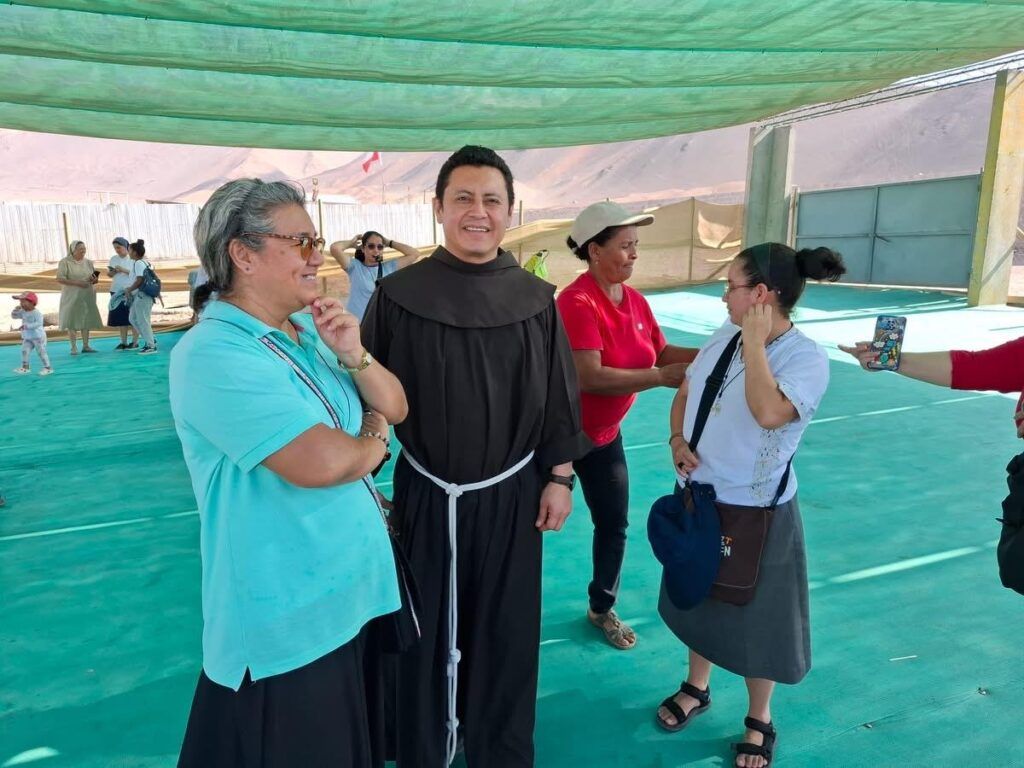
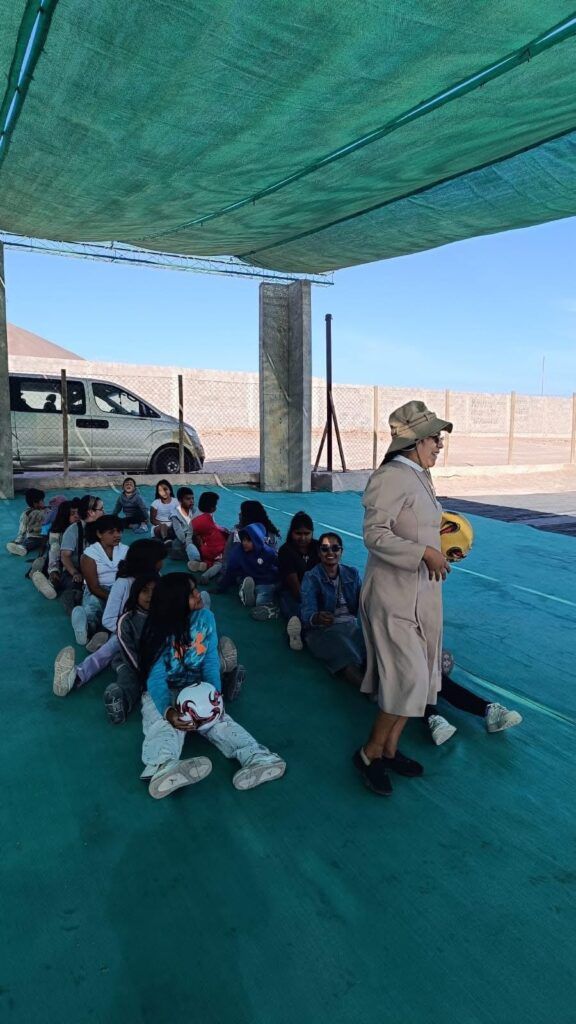
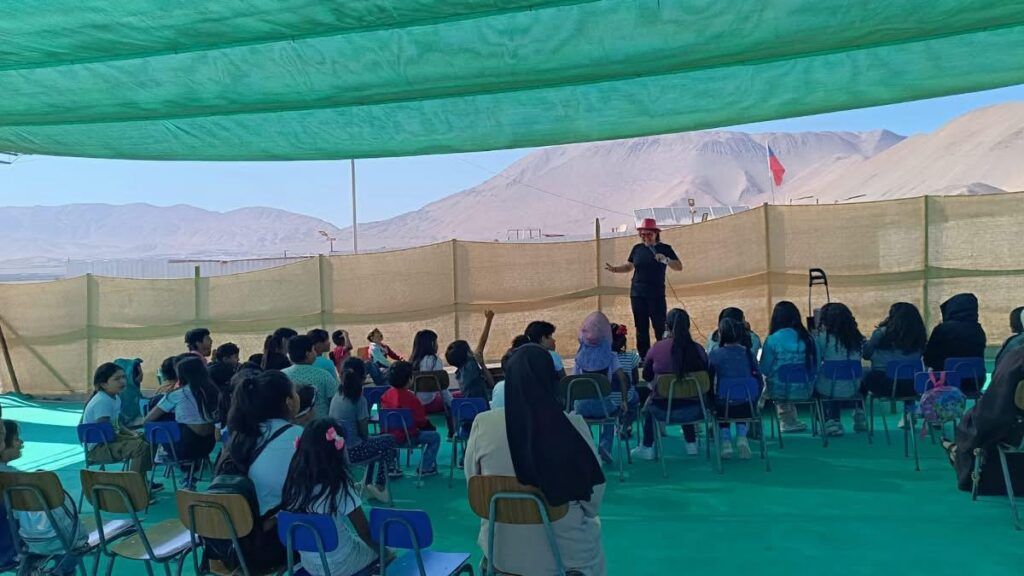
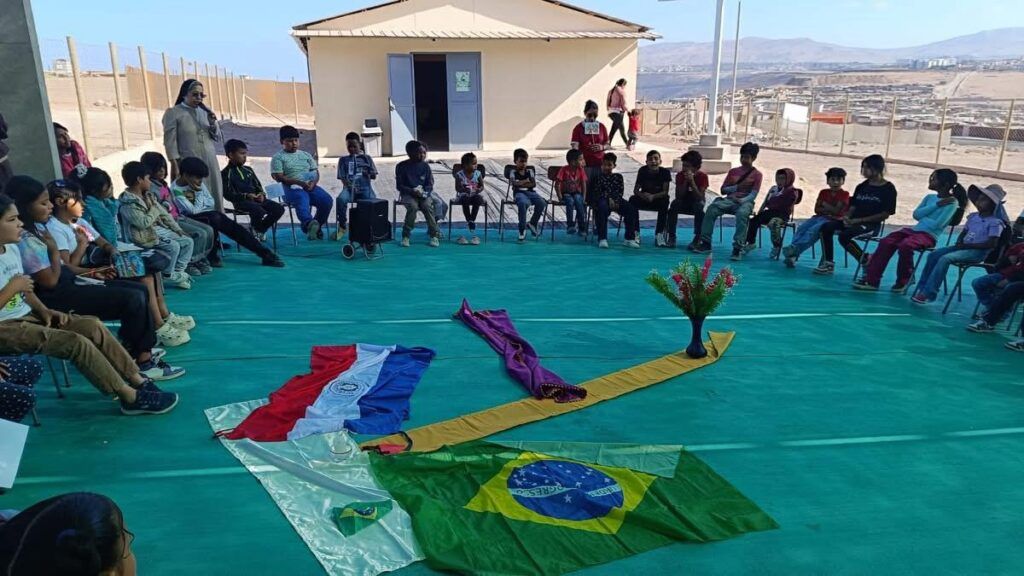
The first of these initiatives took place from the 9th – 11th January. The RFM, together with the Daughters of Charity of St Vincent de Paul, held the “Space of Fraternal Joy” initiative for three days with the goal of “creating a safe and fraternal space that promotes joy, play, learning, and integration for migrant children from Paso de la Mula during their vacation period.” January and February are vacation months in Chile, coinciding with the Southern Cone summer. Paso de la Mula is one of the migrant settlements in Alto Hospicio, a municipality linked to Iquique.
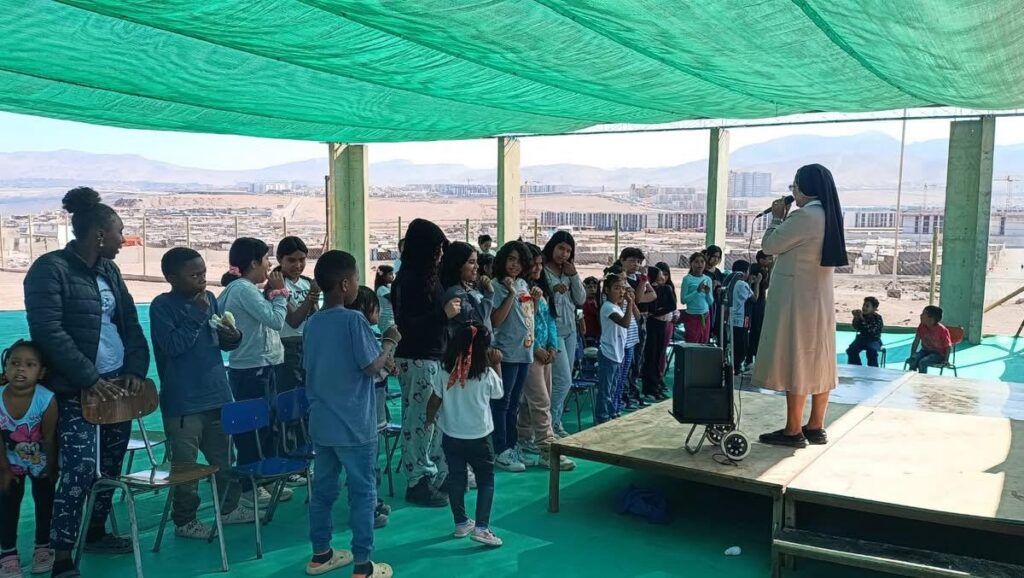
On the first day of the three-day event—the 9th January—the brothers and sisters addressed the topic “My Emotions” in a clear and engaging way, and on the second day, “My Cultural Identity.” Games, songs, painting, prayer, and theatre were the pedagogical tools used to entertain the children gathered at the Daughters of Charity’s premises.
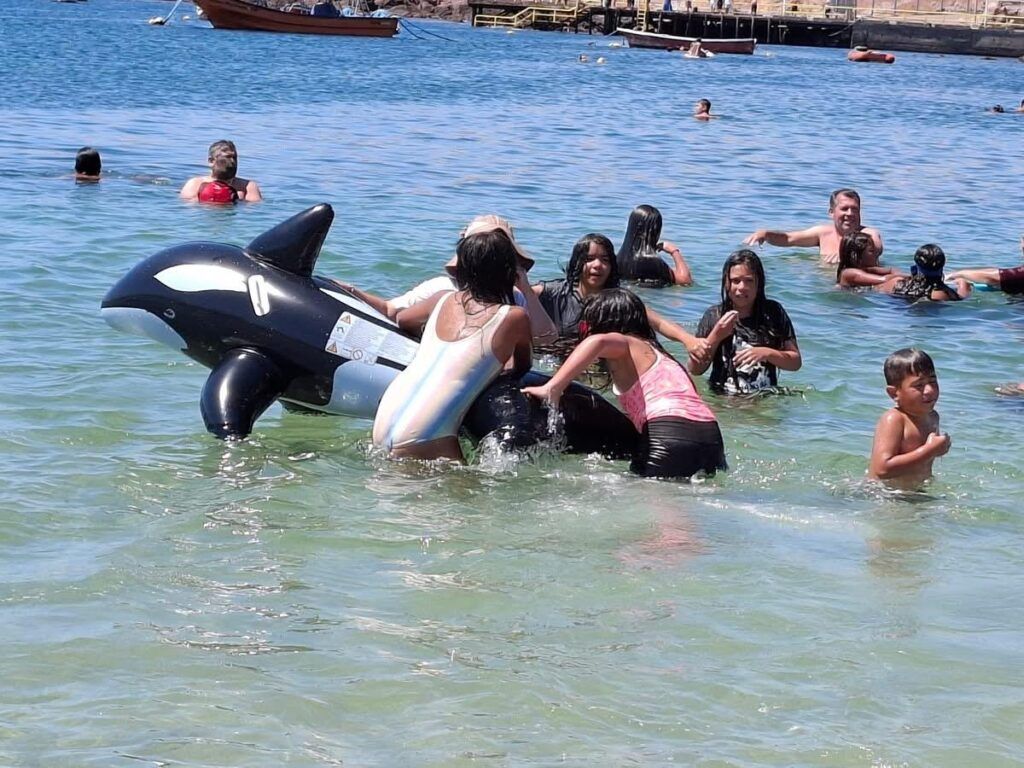
The third day was the most anticipated. The program included an excursion to one of the beaches in the city of Iquique. At seven o’clock in the morning on the 11th January, about 30 children returned to the area set up by the Daughters of Charity of Saint Vincent de Paul. A delicious breakfast awaited them. Two hours later, they were enjoying the waves of the Pacific Ocean.
On the beach, a two-metre-long inflatable plastic whale was the main attraction for the children. They all wanted to climb on it or, at the very least, hug it. The black and white whale only got to rest during lunch, whilst the little ones enjoyed the meal prepared by the nuns. After a break, the sand and sea welcomed the migrant children once again.
Integration and Recreation: Initiatives for Migrant Children in 2026
Alto Hospicio is located on one of the coastal desert mountain ranges of Iquique. Following the violence that occurred in 2021 and 2022, many migrants occupied land and, since then, have built precarious dwellings without basic services, reflecting the complex social situation of migrants in Tarapacá.
Another activity carried out by the Franciscan Network for Migrants took place in February 2026. In the courtyard of the “Vicentinas” school, they installed a small portable swimming pool that will be available until the start of the school year. “The pool is for girls on Tuesdays and for boys on Wednesdays,” reports Sr María Isabel Ruiz, F.d.C.
Entrepreneurship Workshop for Migrant Women in Iquique
Sr Totty Bórquez, FMM, a member of the RFM in Iquique, acknowledges that migration is a topic discussed with suspicion and distrust in the city. For her, the RFM is a welcoming hand that, in the silence of listening, lets migrants know they are not alone and that someone believes in them.
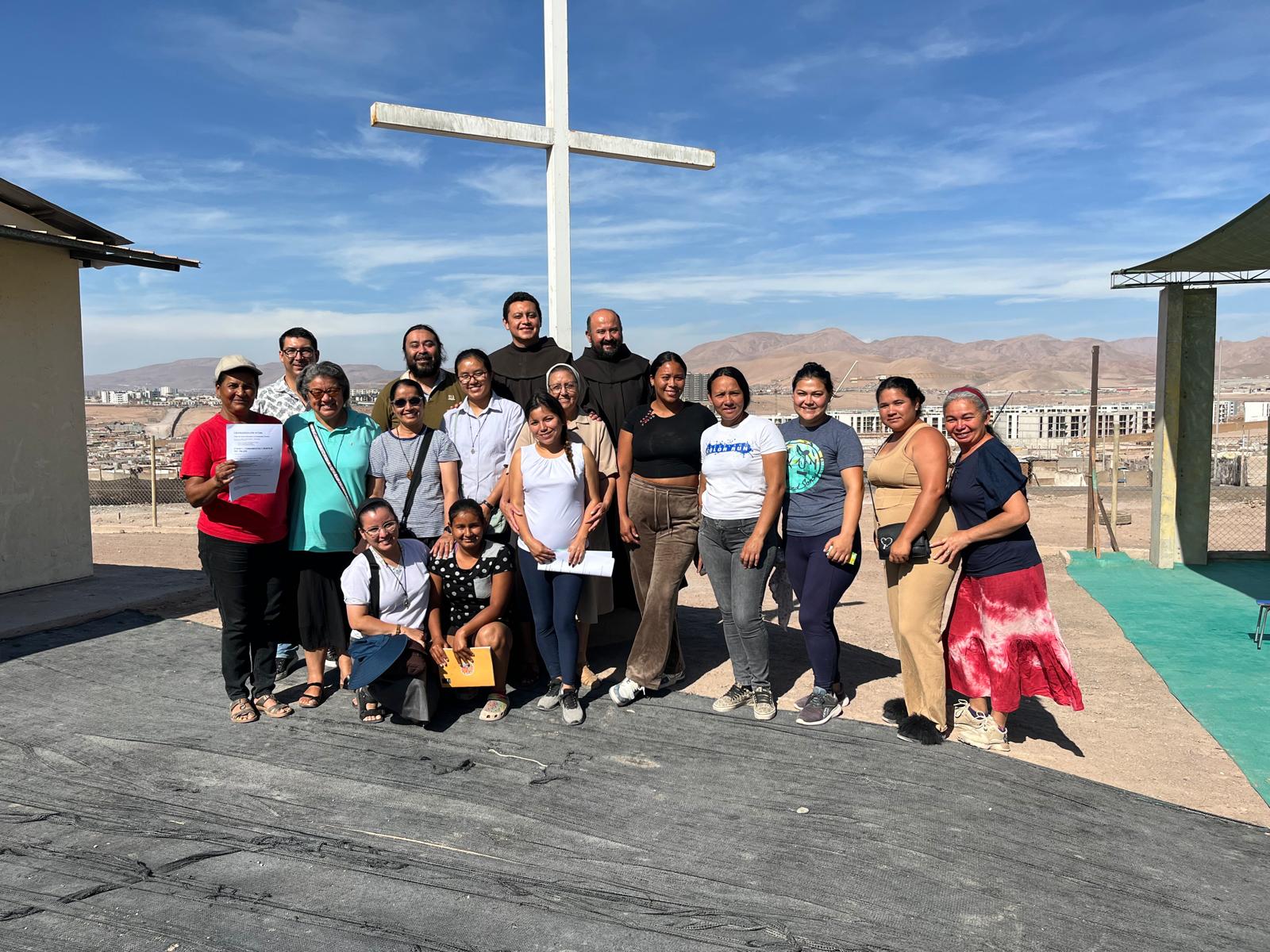
On the afternoon of the 17th February, in the room where breakfast was served on the day of the outing, and while the girls enjoyed the pool, their mothers participated in a meeting to finalise the program, days, and times for the Thermal Printing Entrepreneurship Workshop for ten migrant women, which will last three months. Outside, Sister Jeanette Martínez, F.d.C., looked after the girls and offered them a light snack.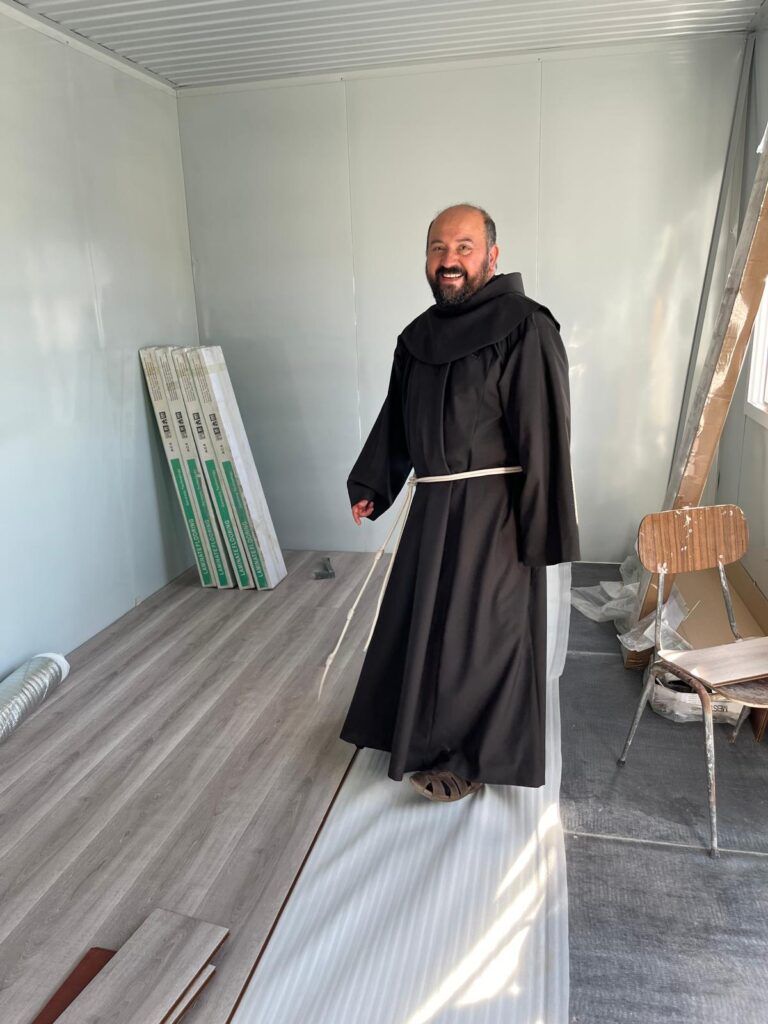
The participants come from Bolivia, Venezuela, Cuba, and Nicaragua. This project not only aims to provide training in the production of various goods, but also to offer resources for brand development, social media management for product positioning, and legal advice for establishing a cooperative. The workshop’s subtitle is: Woman, you can!
Networking with INCAMI and the pastoral care of spiritual accompaniment
Fr. Julio Campos, OFM, parish priest of San Antonio de Padua Parish in Iquique and facilitator for RFM – Chile, affirms that working with migrant children and adults “is an opportunity to enrich my vocation as a lesser brother who follows Jesus, poor and a stranger.”
Furthermore, the RFM plans to expand its support for the Chilean Catholic Institute for Migration (INCAMI), an organisation of the Chilean Episcopal Conference, through pastoral care focused on listening to and providing spiritual accompaniment for migrants passing through or living in the city. INCAMI offers services including legal advice, immigration guidance, a shelter, health services, and a centre for listening and spiritual accompaniment. Father Vicente Taji, SVD, is the director, and Janett Gómez Calle is the coordinator of the Iquique office.
The Franciscan Mission with Migrants in Northern Chile
“Working with migrants is a daily challenge because it involves stepping outside of oneself, looking toward others, listening to someone you don’t know, and acting with trust,” shares Fr. Julio Campos. “This approach to life is healthy because it means living with hope, believing in others, and therefore, believing in God,” he concludes.
Br. Daniel Rodríguez Blanco, OFM JPIC – Rome