A Day at the Home for Migrants at Frontera Digna, Piedras Negras, Mexico
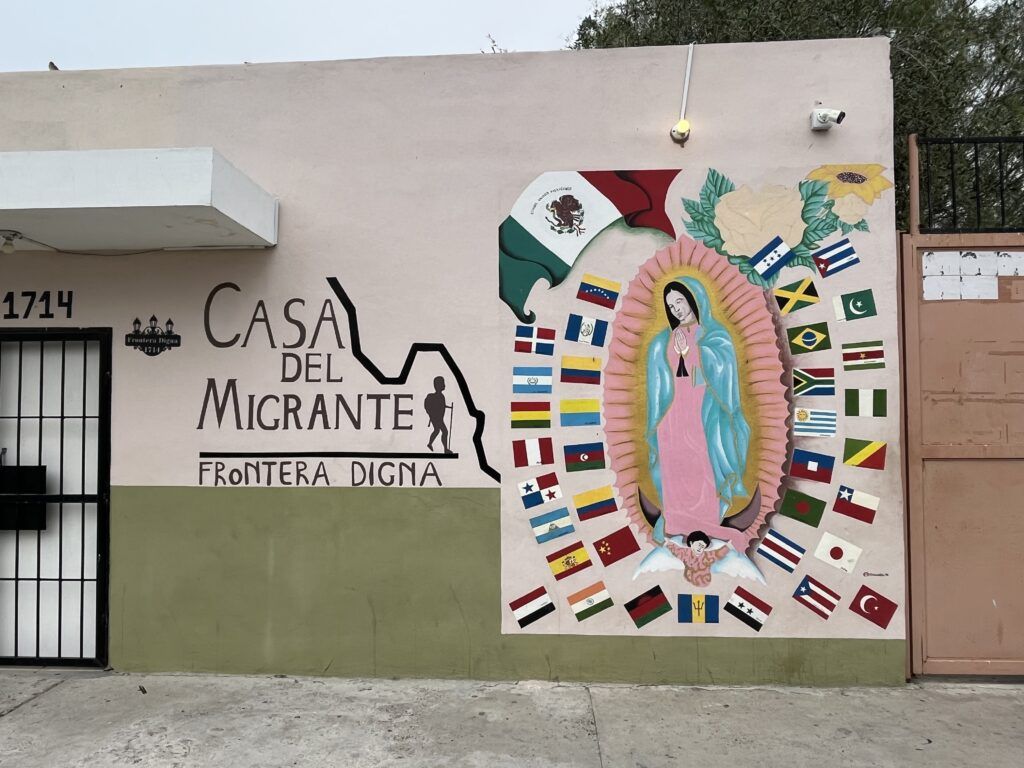
“Carol,” a pseudonym to protect her identity, is an eight-year-old Central American girl who, along with her two siblings and her mother, has been staying for four months at the Home for Migrants at Frontera Digna, a migrant shelter in Piedras Negras, Coahuila, run by the Franciscan Sisters of Mary Immaculate. This shelter has become a key point in the current context of migration in Mexico and the complex journey to the United States.
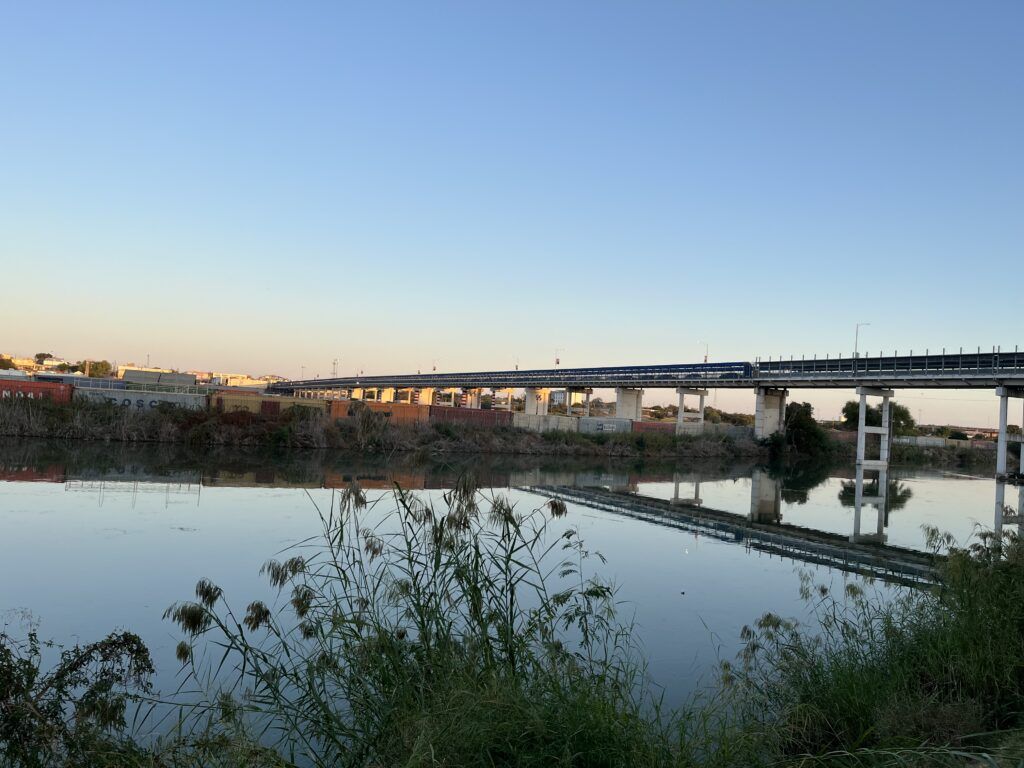
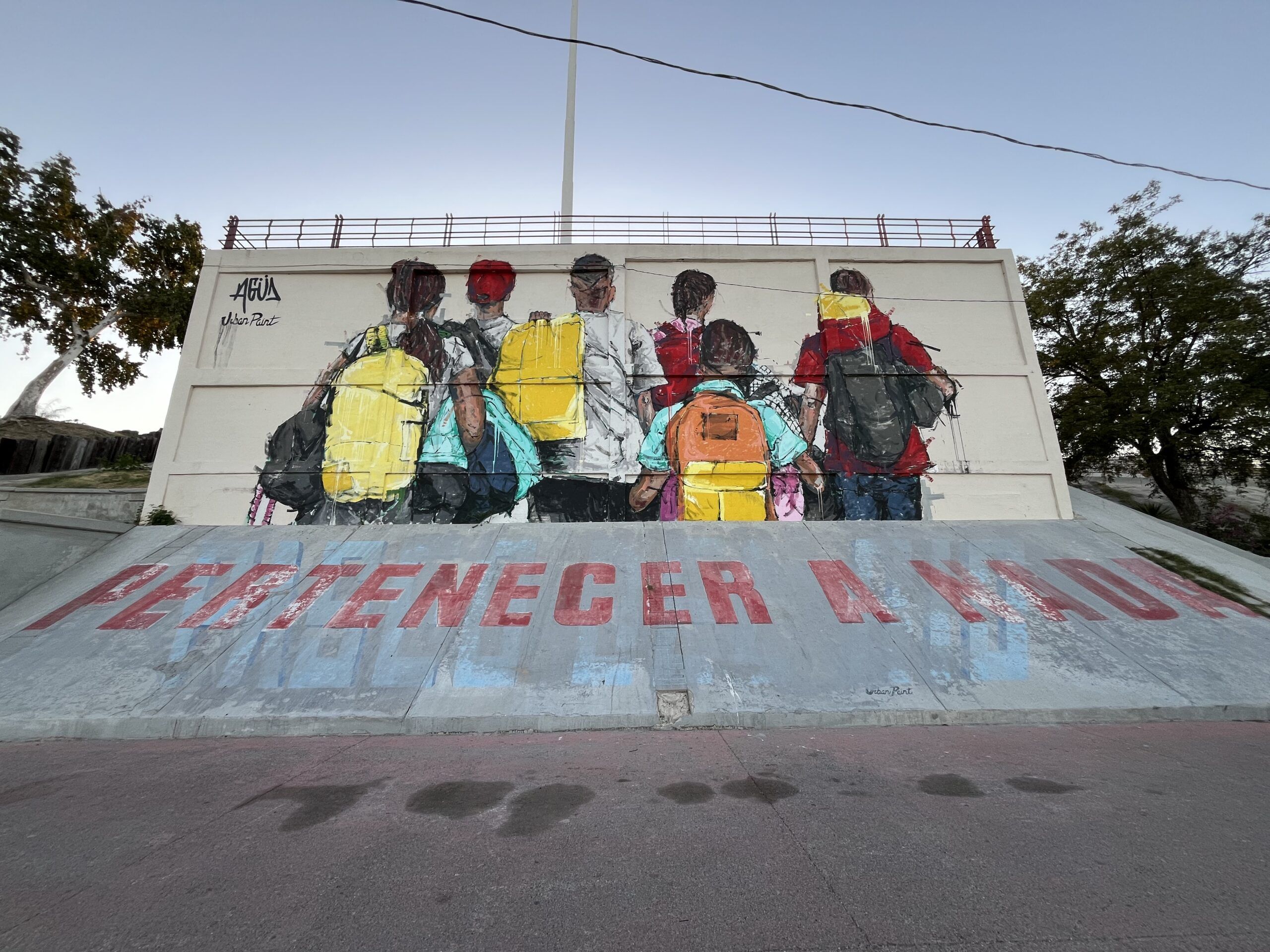
Piedras Negras is the last Mexican city before crossing the Rio Grande, the natural border with the United States. The city is officially connected to the neighbouring country by three international bridges: two for vehicles, with long lines, and one for rail. In this border setting, marked by migration tensions, Frontera Digna offers a space of protection, welcome, and dignity.
Without any formal responsibility, “Carol” has become the shelter’s ambassador. She greets official visitors with a genuine smile—despite missing a few teeth—and with the naturalness that only children can maintain, even in the most difficult circumstances.
At the end of August, the bishops from both sides of the border—known as “Tex-Mex”—met at the Diocese of Piedras Negras to analyse Donald Trump’s anti-immigrant policies and the pastoral response. Amongst their activities, they scheduled a visit to the shelter, where “Carol” was part of the welcoming committee. The host bishop, His Excellency Alfonso Miranda, recounted on his social media: “Some children wouldn’t let go of the bishops, they didn’t want to let them leave, until finally—without paying a ransom—they were released.” Little Carol was amongst them and even asked for one of the prelates’ pectoral crosses as a souvenir.
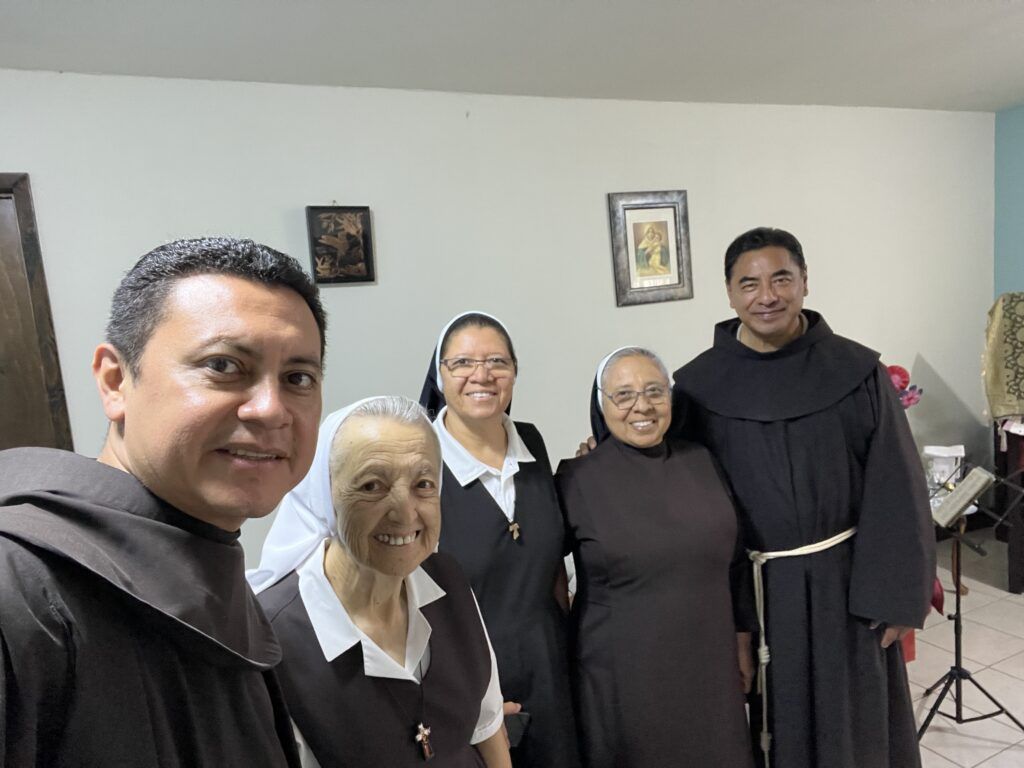
Together with Fr. Flavio Chávez, OFM, head of the Franciscan Network for Migrants in Mexico, we paid a fraternal visit to the Franciscan Sisters in Piedras Negras. We bought our tickets to this border city at the Monterrey Bus Terminal. Years earlier that same place had prohibited the sale of tickets to foreigners seeking to reach northern Mexico, causing humanitarian chaos at the terminal and surrounding areas.
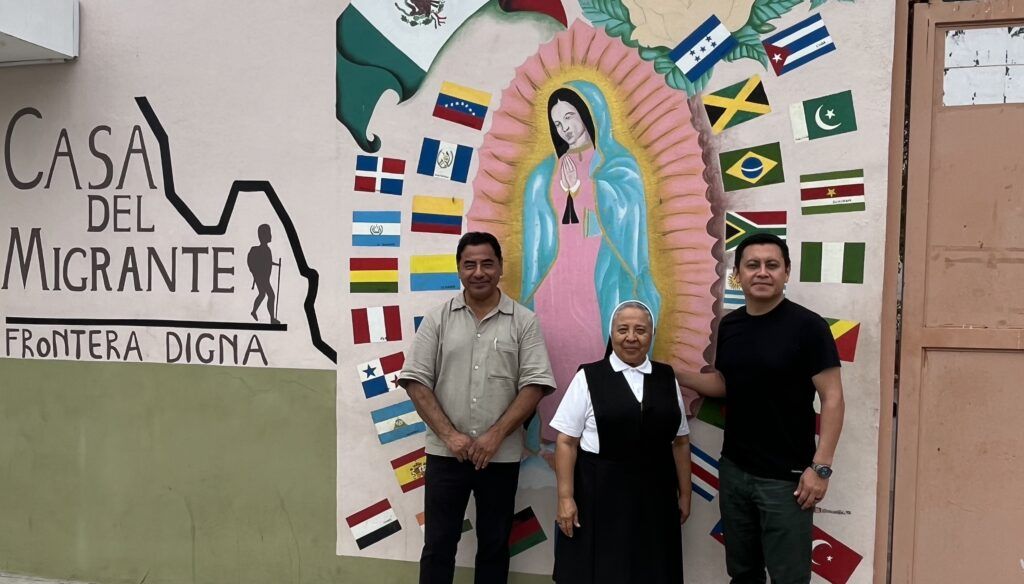
During the journey—almost nine hours—we encountered four checkpoints. Fortunately, Sister Isabel Turcios, the Directress of the shelter, was traveling with us. After six years on this journey, she knows how to handle each inspection: first Immigration, then the National Guard twice, and finally the Coahuila State Police. These inspections aim to control the flow of migrants. Until a year ago, there could be six or more, each one involving physical and psychological suffering for those traveling this route.
Sr Carmen López recalled that in the second half of 2024, the shelter received between 800 and 1,200 migrants per day, numbers that dropped drastically after Donald Trump’s return to the presidency. On the day of our visit, they were caring for around eighty people.
The contrast between the two countries is striking. From Piedras Negras, one can see an American golf course, with its immaculate greens, players going about their daily routine, and small white vehicles gliding across the terrain. From that same vantage point, but looking toward Mexico, one sees migrants walking along the banks of the Rio Grande, trying to reach the so-called “American Dream.” The scene evokes, in reverse, the parable of the rich man and Lazarus from the Gospel of Luke (16:26): “an abyss impossible to cross”.
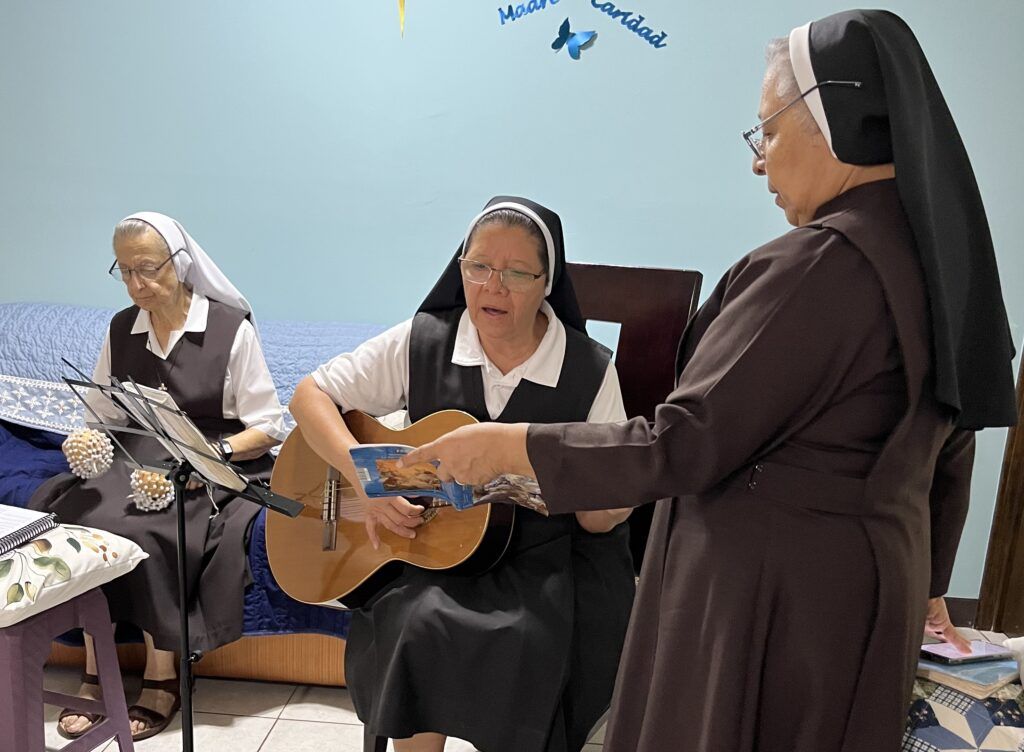
The third Sister in the community, Sr María Luisa Escruceria, is in charge of the recreational activities for the migrant children, including Carol. At 83 years old, she continues to offer a shining example of service and following Jesus. Her small office stores the materials that help make the children’s stay more bearable. But her best tool is her heart full of tenderness.
Miranda also shared the testimony of a migrant: “Although I was robbed, beaten, and turned away several times, there were many good people who extended a hand to me, and because of them, only because of them, I continue to believe in humanity.”
Carol and her family don’t know for sure what awaits them. They don’t consider returning to their country, nor do they dare to cross the river: the military presence, the constant surveillance, and the gangs that rob migrants make the final stretch dangerous. But, with or without anti-immigrant policies, they keep hope alive. At the Homre for Migrants at Frontera Digna (Dignified Border Migrant Shelter), thanks to the tireless work of these three Franciscan sisters—true daughters of St Francis of Assisi—they will find a safe and humane space. They, with their simple and profound faith, allow us to continue believing in humanity.
Carol and her family don’t know for sure what awaits them.
Br. Daniel Rodríguez Blanco, OFM
Director of the JPIC General Office