An academic symposium brought together religious and academic representatives on the 21st November, 2026, in Sarajevo to reflect on the cry of the earth and the poor, on the 31st anniversary of the Dayton Peace Agreement.
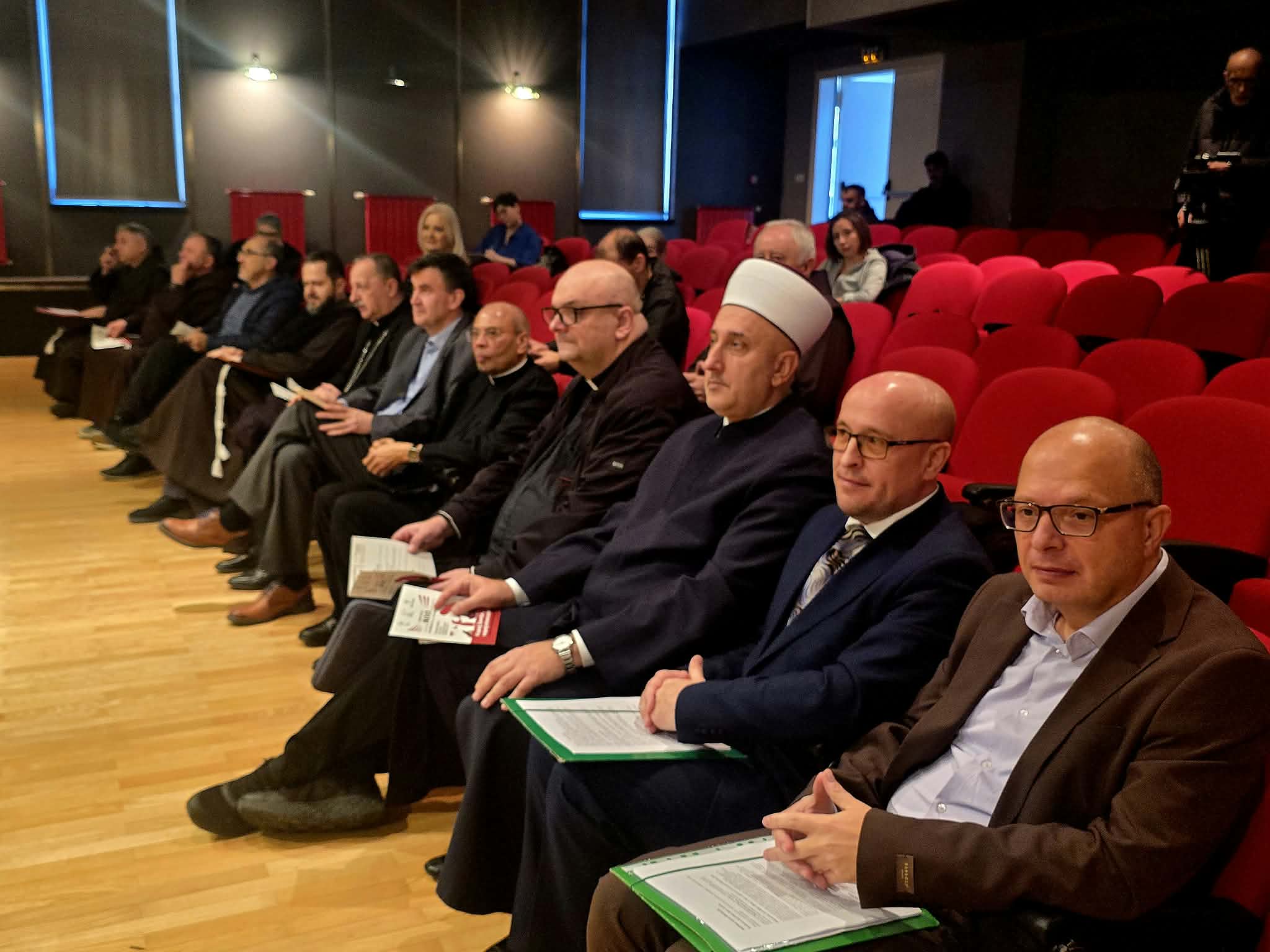
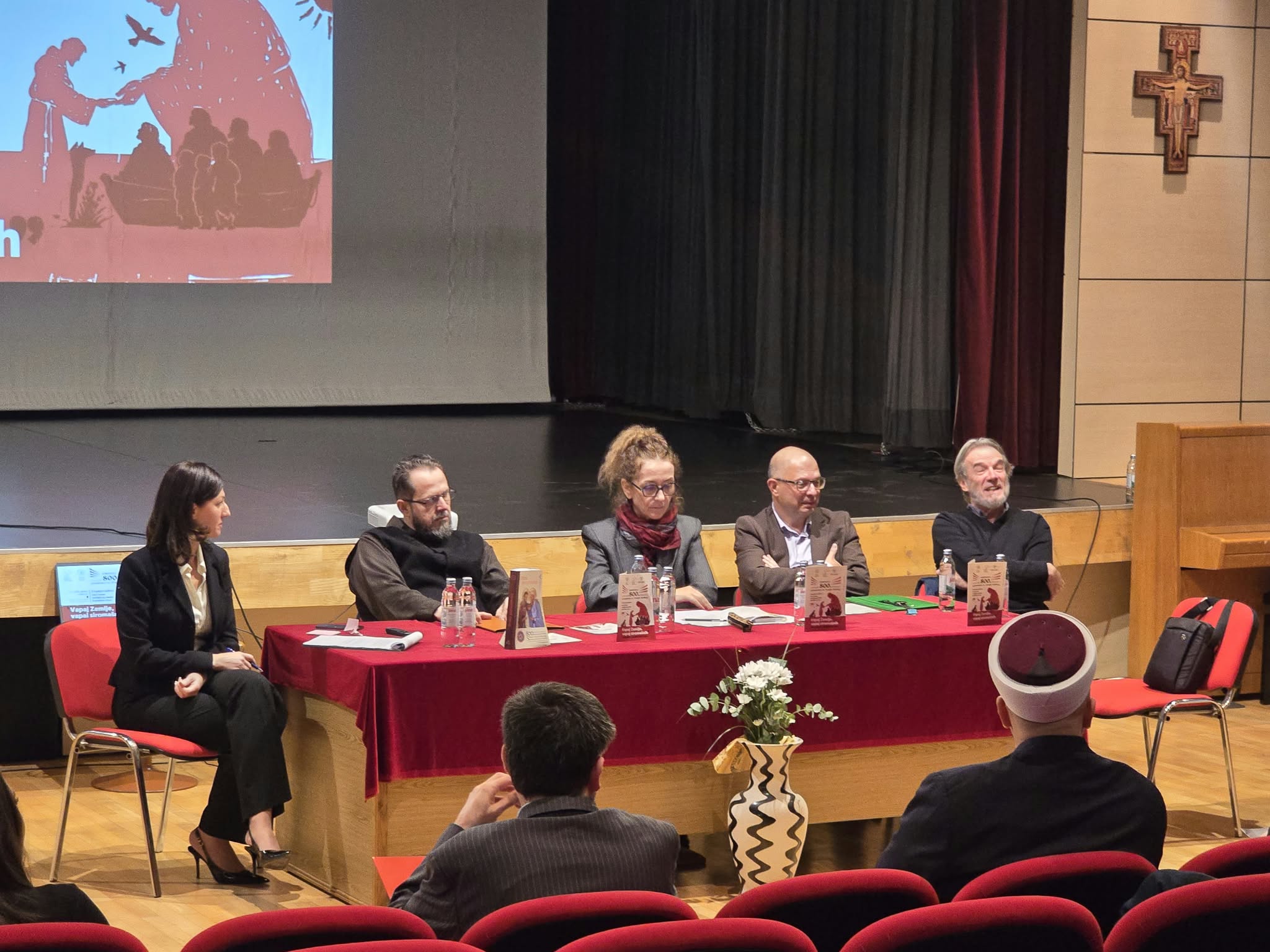
As part of the reflection on integral ecology in Sarajevo, on the 21st November, 2026, the city hosted the academic symposium “The Cry of the Earth, the Cry of the Poor: Franciscanism as the Ferment of the Social Doctrine of the Church.” Held in the St. Francis of Assisi Hall in Kovačići, the meeting was framed as part of the commemoration of the 800th anniversary of St Francis of Assisi’s death. The Centre for Education in Peace, the Movement for Ecological Conversion, and the Franciscan Province of Bosnia Srebrena organised it.
The symposium went beyond commemoration and raised a question about the meaning of the Franciscan heritage in a context marked by environmental destruction, weakening of solidarity, the dominance of the technocratic paradigm, and the normalisation of war.
The date had a special meaning for Bosnia and Herzegovina: November 21 marked 31 years since the signing of the Dayton Peace Agreement, reached in 1995 in the United States and formally signed on December 14 of that year in Paris. The agreement ended the Bosnian War (1992-1995), which left around 100,000 dead and millions of displaced people. Although it helped stop the armed conflict, the country continues to face significant challenges of reconciliation, coexistence, and building lasting peace. This context gave greater strength to a central question of the symposium: can a peace that does not listen to the cry of the earth and the poor be called just and comprehensive?
A Franciscan heritage that demands commitment
The opening brought together representatives of religious communities and ecclesial institutions: Friar Zdravko Dadić, provincial minister of the Franciscan Province of Bosnia Srebrena; Monsignor Francis Assisi Chullikatt, Apostolic Nuncio to Bosnia and Herzegovina and Montenegro; Asmir-ef. Salihović, representing Professor Dr. Nedžad-ef. Grabus; Professor Dr. Mario Bernardić, Dean of the Faculty of Catholic Theology of Sarajevo and representative of the Archbishop of Vrhbosna, Monsignor Tomo Vukšić; Monsignor Miro Relota, Military Bishop of Bosnia and Herzegovina; and Alen Kristić, head of the Movement for Ecological Conversion and program coordinator at the Centre for Education in Peace.
Kristić conceived the symposium’s approach and programme and will be responsible for editing the proceedings, which are scheduled for publication in spring 2027.
The opening speeches shared a common message: the Franciscan legacy is not simply a legacy to be celebrated, but a call to defend human dignity, justice, peace, and creation.
The cry of the poor cannot be separated from the cry of the earth. Ecological destruction is also a matter of social justice since its consequences fall more heavily on the most vulnerable people.
The participants called for interreligious dialogue to translate into concrete partnerships and for the legacy received to inspire active responsibility towards people and territories affected by injustice and environmental destruction.
Kristić expressed this challenge with a strong statement:
“Perhaps the greatest betrayal of Francis’s spirit is to celebrate it solemnly without siding with those with whom he would undoubtedly be today.”
A vision of universal fraternity and sisterhood
The first session, titled “A Vision of Universal Fraternity and Sisterhood,” explored how religious traditions can contribute to building societies founded on human dignity and the common good.
It was emphasised that the Church’s responsibility towards the poor requires both charitable assistance and the transformation of structures that perpetuate poverty and exclusion.
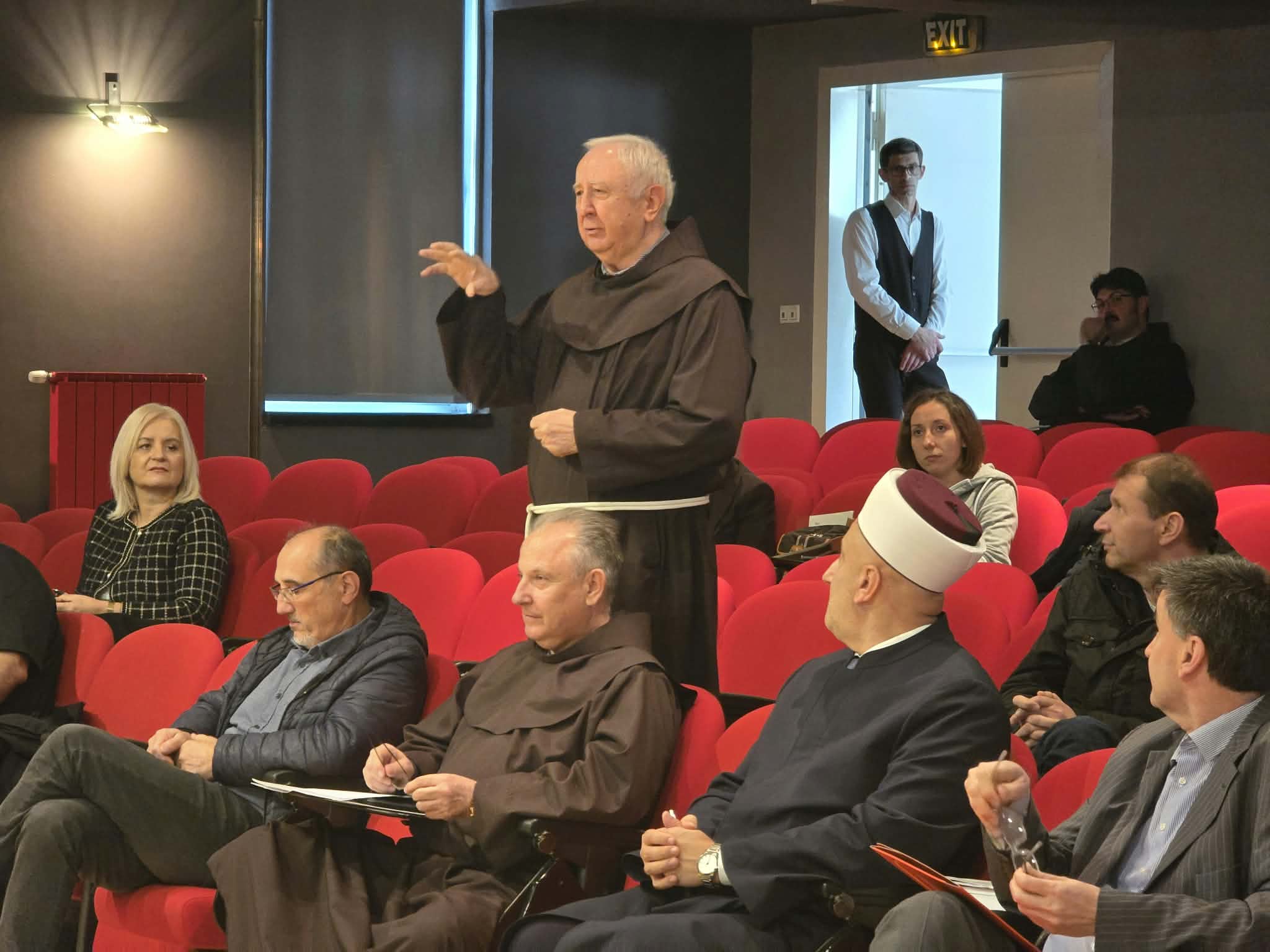
The dialogue addressed issues related to migration, religious education oriented toward encounter without prejudice, and the ethical limits of technological power, especially in the context of war.
The speakers included Professor Dr Mario Bernardić, Professor Dr Friar Josip Jozić, Professor Dr Izet Pehlić, and Zdravko Kujundžija, Master of Theology. Senada Tahirović, who could not attend, will send a written contribution for the publication that will collect the meeting’s proceedings.
A vision of integral ecology
The second session, titled “A Vision of Integral Ecology,” addressed the ecological crisis as a matter of social justice, responsibility for peace, and integral human development.
Based on the reflection on Laudato si’ and the social doctrine of the Church, the speakers highlighted the importance of dialogue between the Catholic, Orthodox, and Islamic ecotheological traditions, as well as the role of mutual trust and friendship in promoting joint actions in favour of our common home.
The political and economic conditions necessary for integral human development, human dignity, and humanity’s place in the world were also examined, as well as the prophetic potential of literature to make social wounds visible before institutions come to recognise them.
Speakers included Professor Dr. Friar Marinko Pejić, Alen Kristić, Professor Dr. Zorica Maros, and Željko Ivanković. Archimandrite Danilo Pavlović, abbot of the Žitomislić Monastery, could not participate in person, so Ivana Krstanović delivered his presentation.
Both sessions reaffirmed that integral human development requires respect for human dignity, social justice, and planetary boundaries.
From Reflection to Action
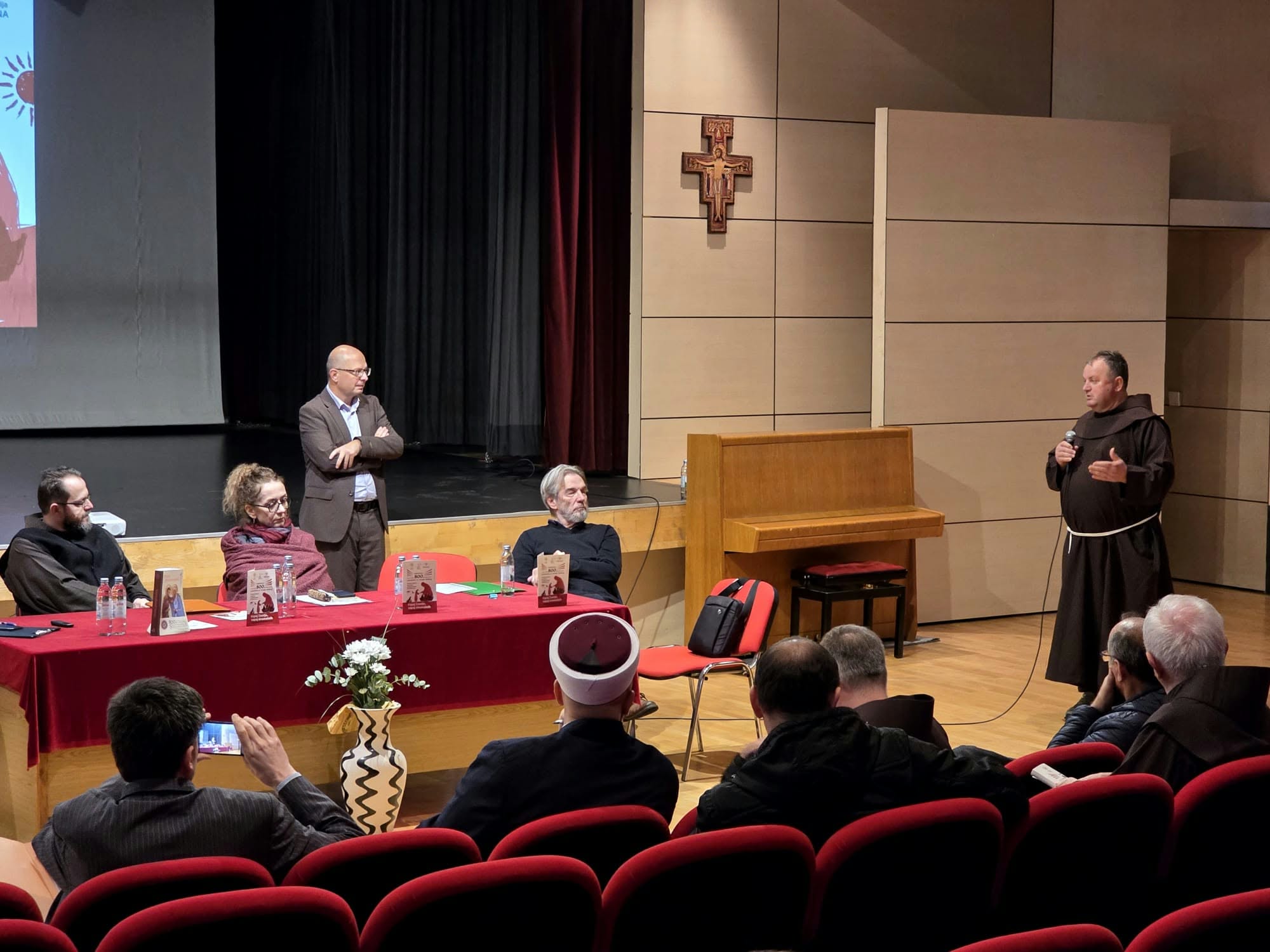
A final roundtable, moderated by Gabrijela Marin, explored how to translate the symposium’s reflections into everyday action and how individuals, religious communities, and public institutions can assume their responsibility in favour of social and ecological justice.
The closing remarks were given by Friar Zdravko Dadić, provincial minister of the Franciscan Province of Bosnia Srebrena, and Zdravko Kujundžija, president of the Centre for Education in Peace.
Both reaffirmed that the Franciscan heritage must inspire concrete actions: listening to the cry of the poor and the land, defending human dignity, building a just peace, and protecting our common home.
Integral ecology as a path to a just peace
The Sarajevo symposium offers a perspective of special relevance for the European debate on integral ecology. In Bosnia and Herzegovina, caring for our common home is inseparable from social justice, reconciliation, interreligious trust, and the pursuit of a just peace.
The meeting highlighted the need to translate the vision of Laudato si’ into concrete partnerships and shared responsibilities that transcend religious and social boundaries.
The fruits of the symposium will not be measured solely by what was said there, but by what those words inspire in the lives and actions of people: whether the legacy of St. Francis has simply been commemorated or, on the contrary, is being made through listening to the voices so often silenced and a supportive response to their cries.
Alen Kristić
Head of the Movement for Ecological Conversion
Program Coordinator of the Centre for Peace Education
Article shared by the General Office of Justice, Peace, and Integrity of Creation (JPIC) of the Order of Friars Minor (OFM), with the author’s authorisation.