Tenosique, Tabasco, Mexico
In August 2010, seventy-two migrants were murdered in San Fernando, Tamaulipas, Mexico. There were fifty-eight men and fourteen women who had embarked on a path in search of a different life.
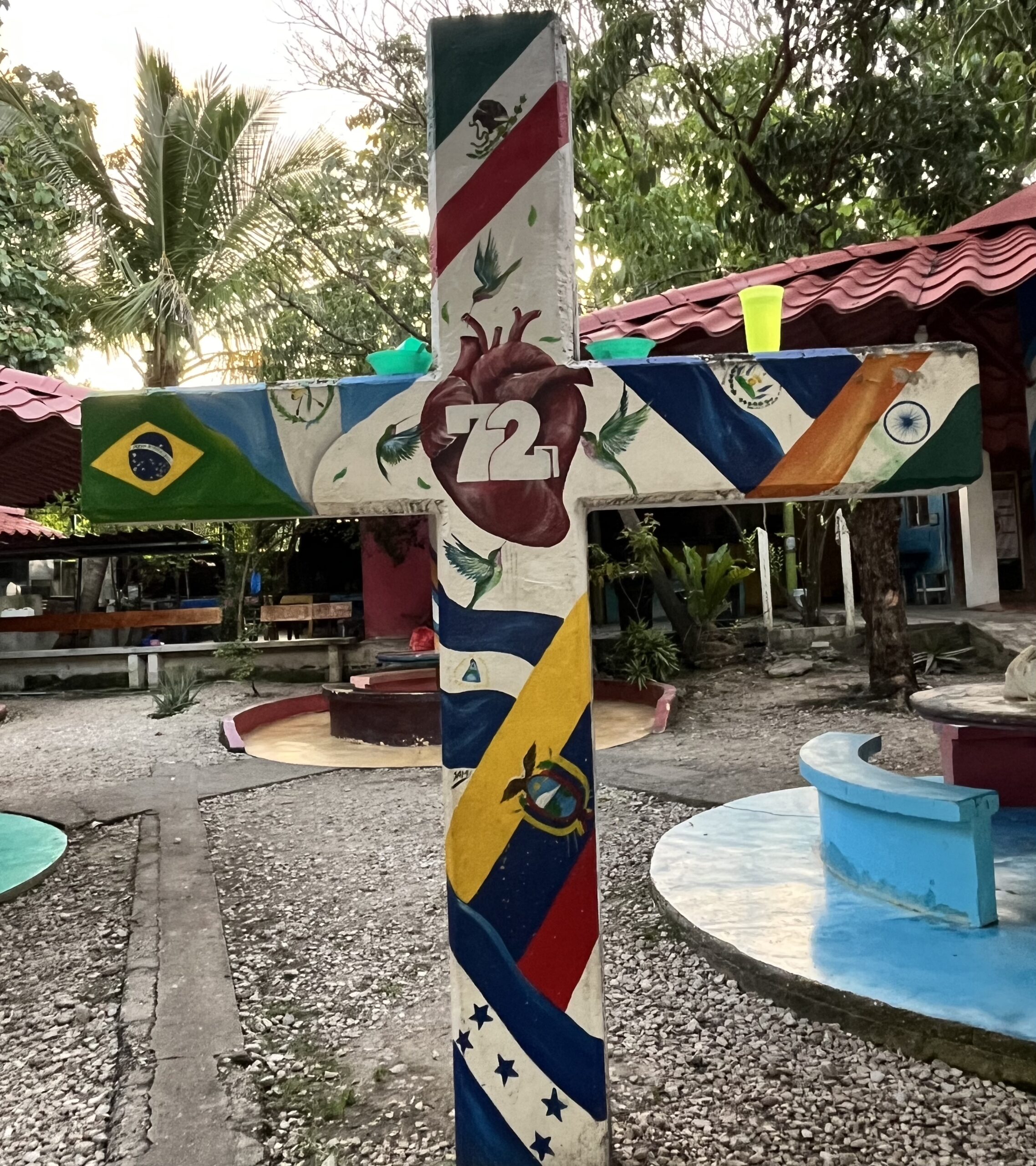
In Tenosique, Tabasco, the friars of the Franciscan Province of St Philip of Jesús did not remain indifferent. On the 25th April, 2011, La 72, Home-Refuge for Migrants, opened its doors, a Franciscan work dedicated to welcoming, accompanying, and defending the rights of migrants.
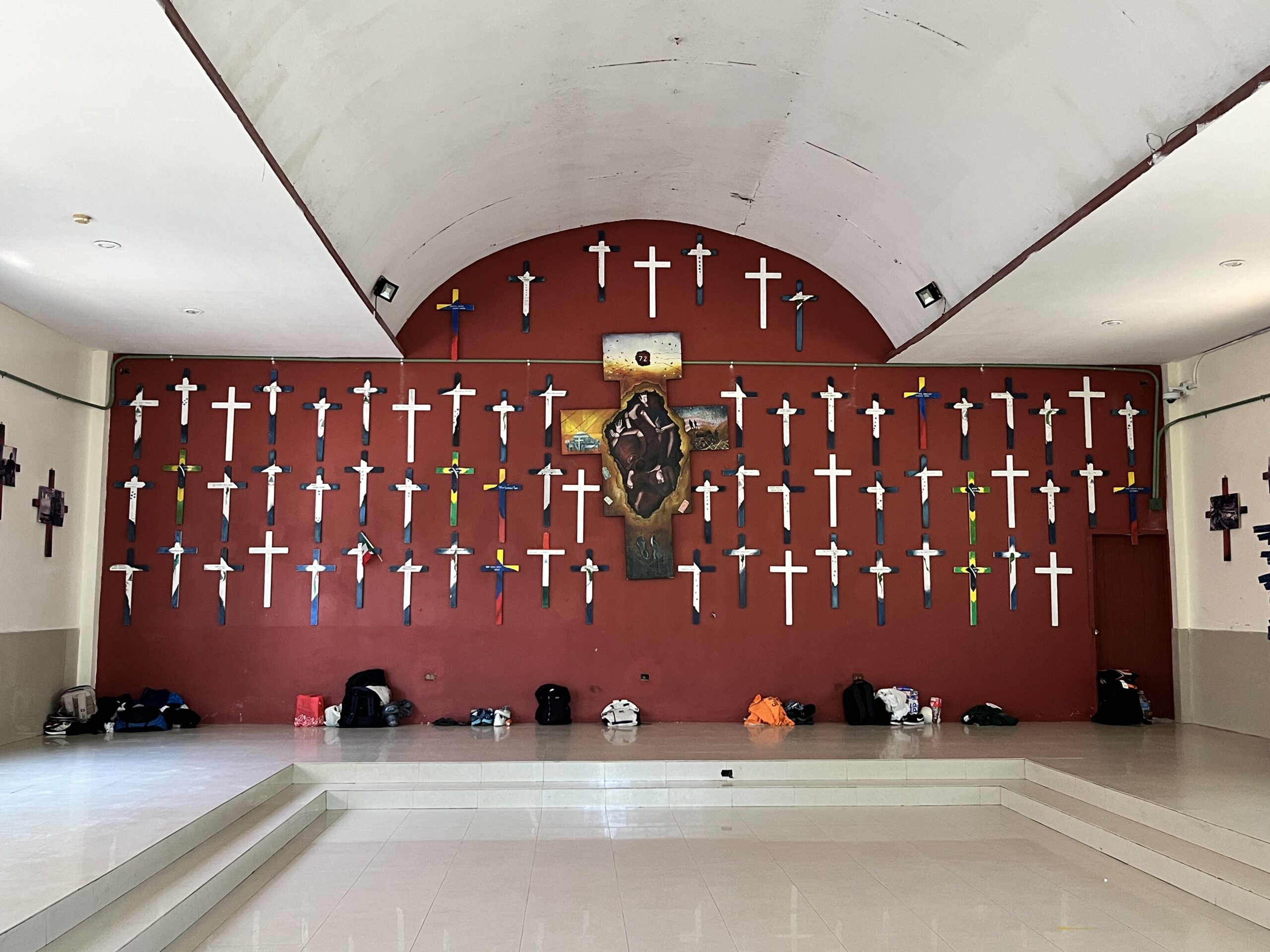
Its name keeps alive the memory of those victims, reminding us that behind each number there are faces, families, and stories. This is evidenced by the seventy-two wooden crosses that, at the back of the chapel, serve as a memorial to the massacre.
The refuge was born from a commitment that the Franciscans had been developing for years in this border region with Guatemala.
La 72, Home-Refuge for Migrants: a house, different stories
Those who arrive at La 72 have different goals. Some need to rest, eat, regain strength, and continue on their way. Others apply for international protection in Mexico and remain in the shelter while awaiting the resolution of their procedures before the Mexican Commission for Refugee Aid (COMAR).
According to shared experience at home, that wait, which used to last five or six months, can now last up to eight months. In the last week of October 2026, there were around seventy people applying for international protection and about thirty transit migrants.
Reception is only part of the care provided. The 72 organises its services into five areas: administration, human rights, vulnerable groups, humanitarian assistance, and structural change.
Food and clothing respond to immediate needs. Meanwhile, physical, and psychological care, support for the most vulnerable cases, and the defence of rights seek to address less visible wounds.
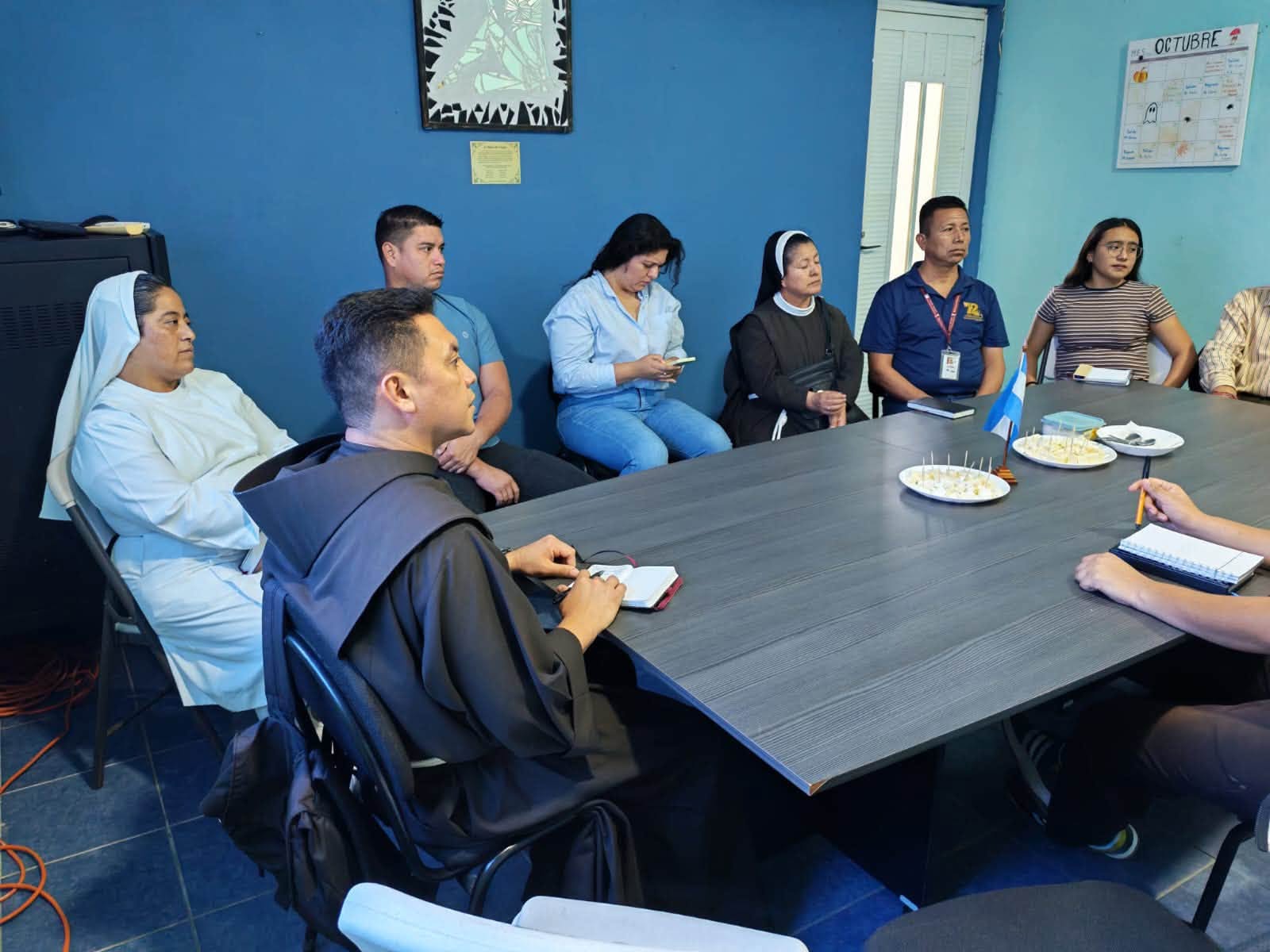
A small team made up of the friar director, the Franciscan sisters, and young professionals in the fields of law and physical and mental health carries out this beautiful but delicate mission.
Welcoming those who arrive is indispensable; it is also essential to ask why so many people are forced to leave their countries, why they encounter violence along the way, and why discourses persist that make them suspicious.
Hospitality, when taken seriously, ultimately requires public work and a commitment to justice.
Franciscan formation of listening
For about three years, the Franciscan Sisters of the Immaculate Conception (HFIC), from the “Our Lady of Guadalupe” Province of Mexico, have shared this mission with the friars.
The presence is not secondary: Sr. Elizabeth Martínez Bernal coordinates the Vulnerable Groups area; Sr. Karen López Sandoval, Human Rights; and Sr. Eberilda Robledo, Humanitarian Assistance.
Fr. Gabriel Romero, Provincial Minister, states that there is a three-year collaboration agreement with the HFIC. In her presence, one can recognise “the female face of consecrated life” and complement the friars’ mission from the Gospel’s social dimension.
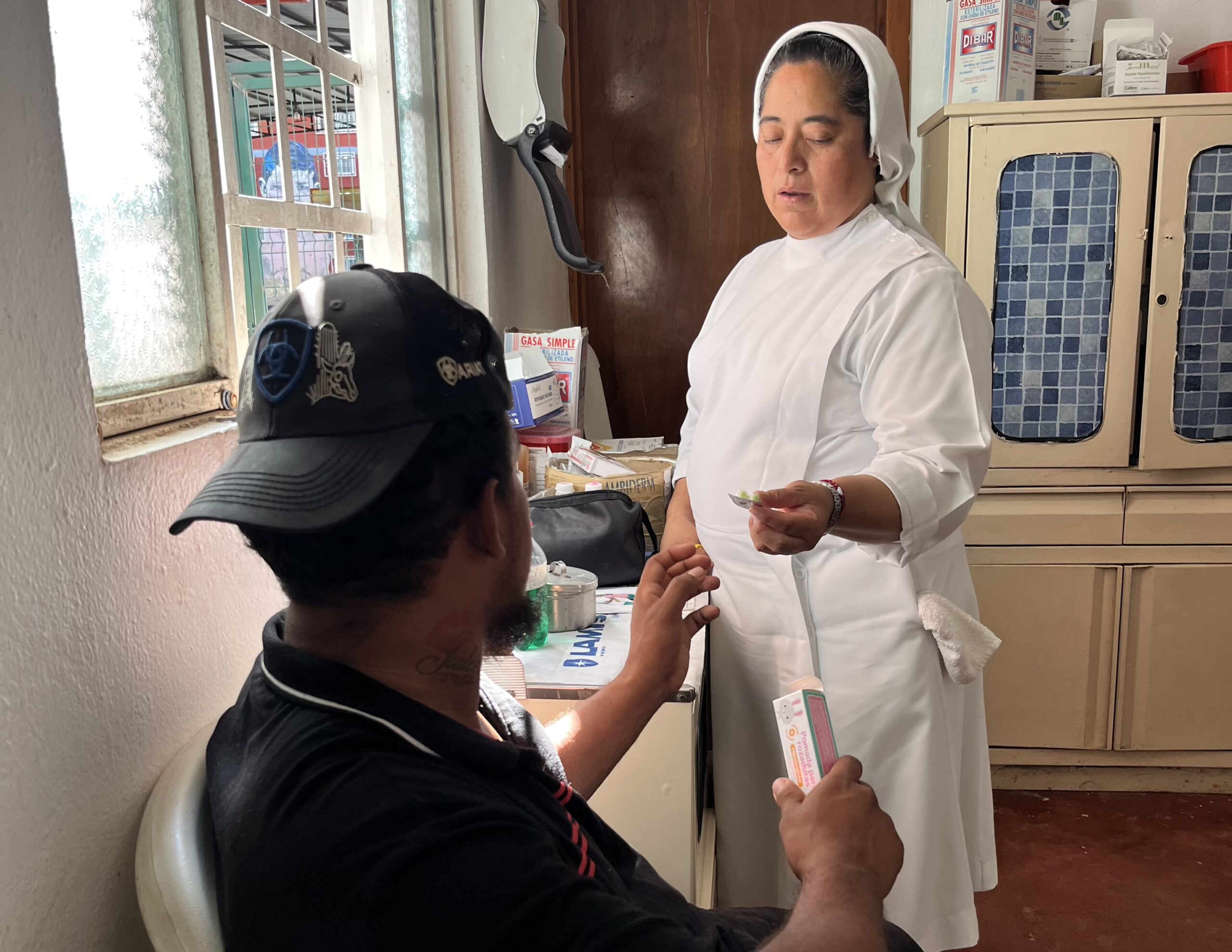
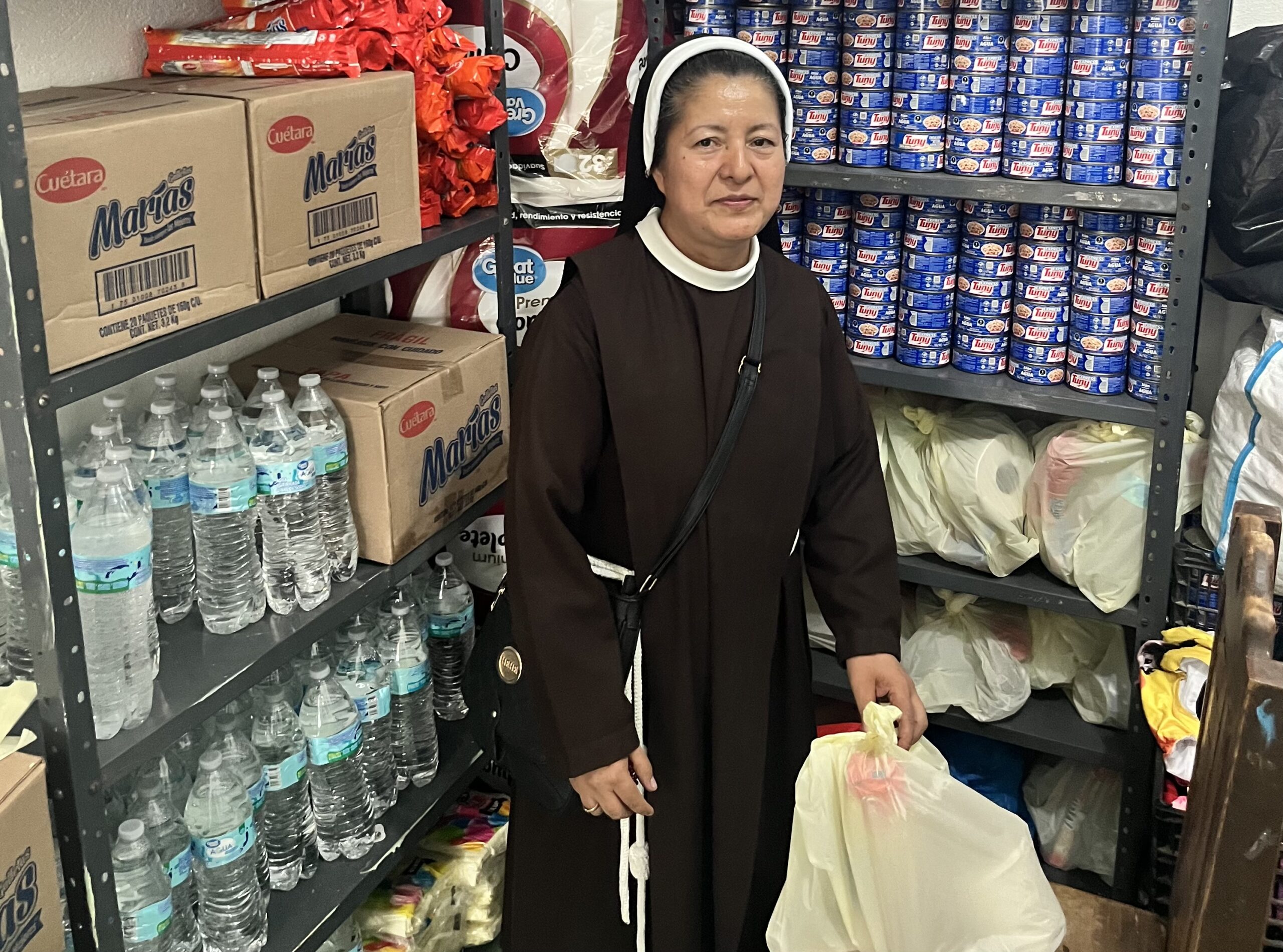
Sr Elizabeth, a nurse by profession, arrived in February 2025. She had previously worked with elderly people in Chiapas and was already familiar with La 72 from a volunteer experience during her novitiate.
This service includes healthcare but is not limited to it. It speaks of the need to “understand them from their stories” and calls this task “the apostolate of listening.”
Hearing painful stories also involves seeking answers and maintaining accompaniment after the words have ended.
A space for formation for the Franciscan Family
The house is also a space for formation. Friars from different entities have passed through it, sharing the life and service of the refuge for weeks or months. Likewise, the novices of the HFIC carry out apostolic experiences there.
Undoubtedly, the encounter with migrants helps to form the Franciscan heart.
Fr. Luis Sotelo, director of La 72, assures that the house is open to friars from the entire Order and the Franciscan Family to carry out service experiences.
It also dedicates efforts to improving the facilities. Recent work includes installing air-conditioning in the rooms, which is essential during the hottest months, when temperatures in Tenosique can approach 48 degrees.
A field without borders: integration and meeting at Tenosique
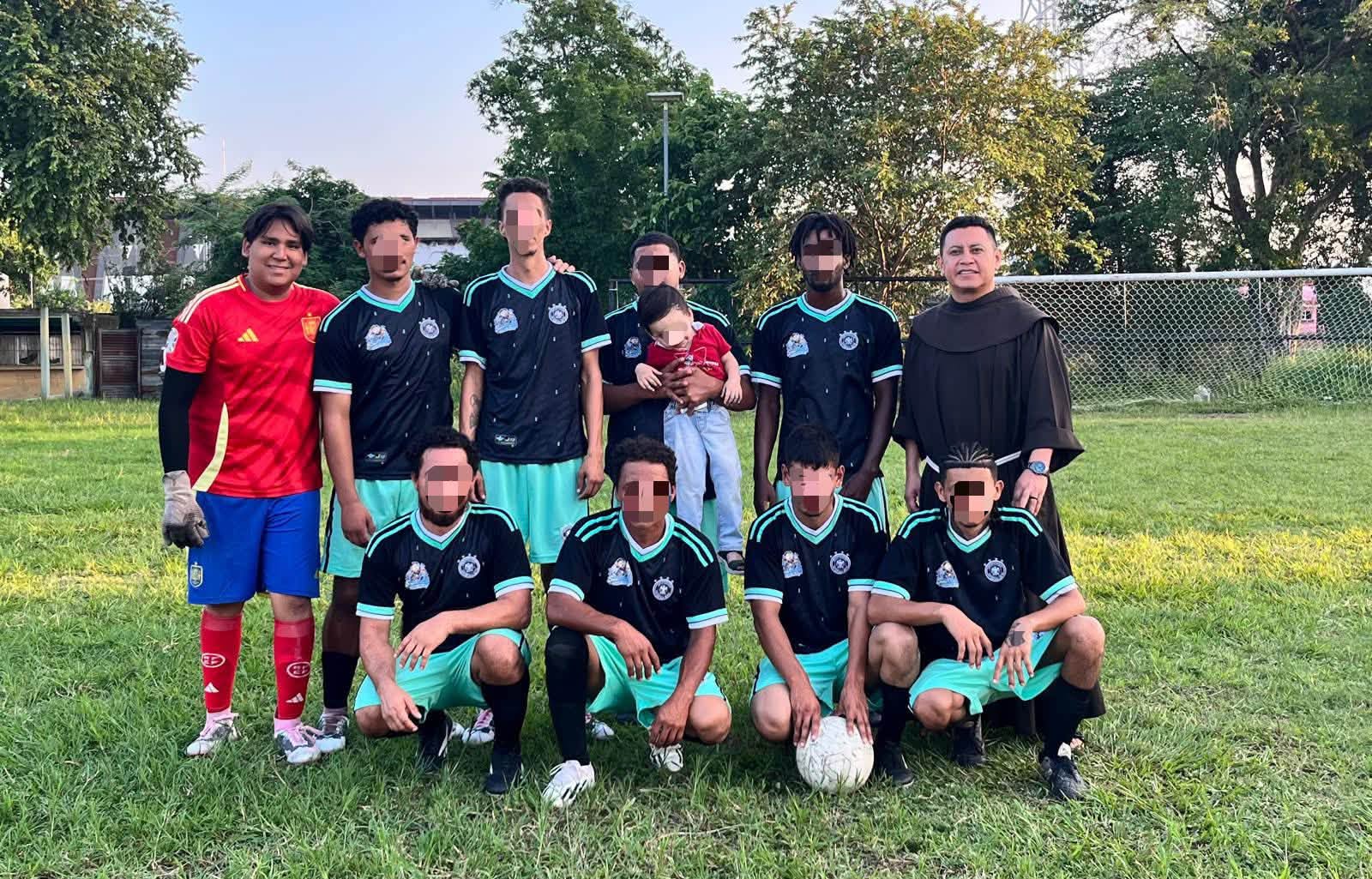
Integration with the local community is also part of La 72’s efforts. One example is their participation in a football tournament with a team made up of migrants of different nationalities, mainly applicants for international protection.
This international squad seeks to create links with the population of Tenosique to dismantle prejudices and counter narratives that portray migrants as a threat.
People who have had to cross borders find, around a ball, a shared space with their neighbours. Difficulties do not disappear because of this, but the possibility of seeing each other differently opens up.
A Franciscan mission that goes beyond Tenosique
The 72 collaborates with organisations such as the United Nations High Commissioner for Refugees (UNHCR) and Doctors of the World.
It is also part of the Franciscan Network for Migrants of the Americas (RFM), founded in 2018. The experience accumulated in Tenosique was a source of inspiration, support, and opportunities for collaboration in the birth of this network, which seeks to articulate the Franciscan response to the continent’s migratory reality.
The daily life of the home also depends on solidarity. Fr. Luis acknowledges that aid from people in the community, Franciscan institutions, and international organisations has decreased in recent years. Even with limitations, the shelter continues to welcome those who arrive.
Fr. Gabriel Romero considers that this experience challenges the entire Order to enter a new era and a new geopolitical scenario. He invites us to closely accompany vulnerable people and to “open our friaries and projects” to collaboration with organisations and laypeople committed to a shared mission.
In the year when the eight hundred years of the transitus of St Francis of Assisi are commemorated, this house in Tenosique brings us back to one of the original intuitions of Franciscan life: fraternity is built when it approaches those left by the roadside.
In La 72, the memory of the dead transforms every day into a welcome for the living. It is a concrete way of living Franciscan Easter: where death and violence have left their mark, fraternity responds by putting itself at the service of life.
Moreover, the question remains open for all of us: on which side of the border do we decide to position ourselves?
Fr. Daniel Rodríguez Blanco, OFM
OFM JPIC